

Key Takeaways
- Changes in mood, personal care, and the ability to manage daily responsibilities are common indicators that additional support may be needed.
- Safety concerns become increasingly important, particularly related to medication management and the risk of wandering or disorientation.
- The health and well-being of family caregivers must be considered; prolonged caregiving can significantly impact a spouse’s or adult child’s physical and emotional health.
- A dedicated memory care community provides structured supervision, consistent care, and a stable environment for both residents and families.
Thinking of Memory Care for a Loved One?
Determining when full-time memory care is appropriate is a complex and deeply personal decision. In most cases, the process begins with the recognition of gradual changes that affect daily functioning, safety, and overall quality of life. At Teresa’s House at Argyle, we understand it often begins with noticing small changes and wanting to find a supportive path forward. This guide outlines common clinical and practical indicators that suggest a transition to full-time memory care may be necessary.
Full-time memory care becomes appropriate when the demands of daily living, safety risks, or caregiver strain exceed what can reasonably be managed at home or in a traditional assisted living setting. The decision is not based on a single moment, but on a pattern of change that indicates a need for a more structured and supportive environment.
Recognizing Changes in Daily Life
Progressive cognitive impairment often presents first through disruptions in routine activities. These changes may appear subtle initially but tend to become more frequent and impactful over time.
Difficulties with Personal Routines
Changes in personal hygiene, grooming, and dressing are common indicators that additional assistance is needed. Individuals may forget to bathe, wear the same clothing repeatedly, or struggle to complete basic self-care tasks due to confusion or reduced judgment. A structured care environment supports consistency, dignity, and daily routine.
Shifts in Mood and Behavior
Increased confusion, agitation, or even apathy and withdrawal from social activities are common behavioral changes. These behavioral shifts can interfere with social engagement and emotional well-being. A consistent environment with predictable routines and trained supervision can help reduce distress and support emotional stability.
Challenges with Household Management
Difficulty with tasks like preparing meals, managing finances, or keeping the home tidy may suggest that independent living is becoming too demanding. These challenges may result in nutritional concerns, missed bills, or unsafe conditions. A memory care community assumes responsibility for these tasks, reducing daily stress and risk.
Prioritizing Safety and Well-Being
Safety is a central consideration when evaluating the need for memory care, particularly for those experiencing memory challenges. As these challenges progress, new safety considerations can arise that may be difficult to manage in a traditional home setting.
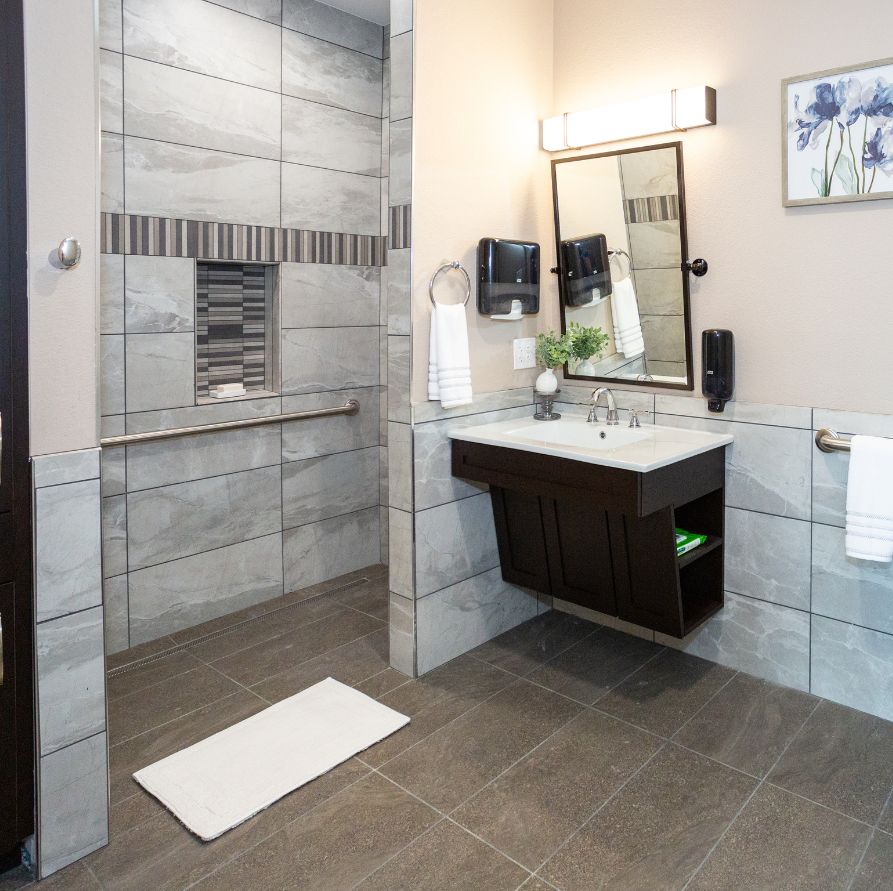
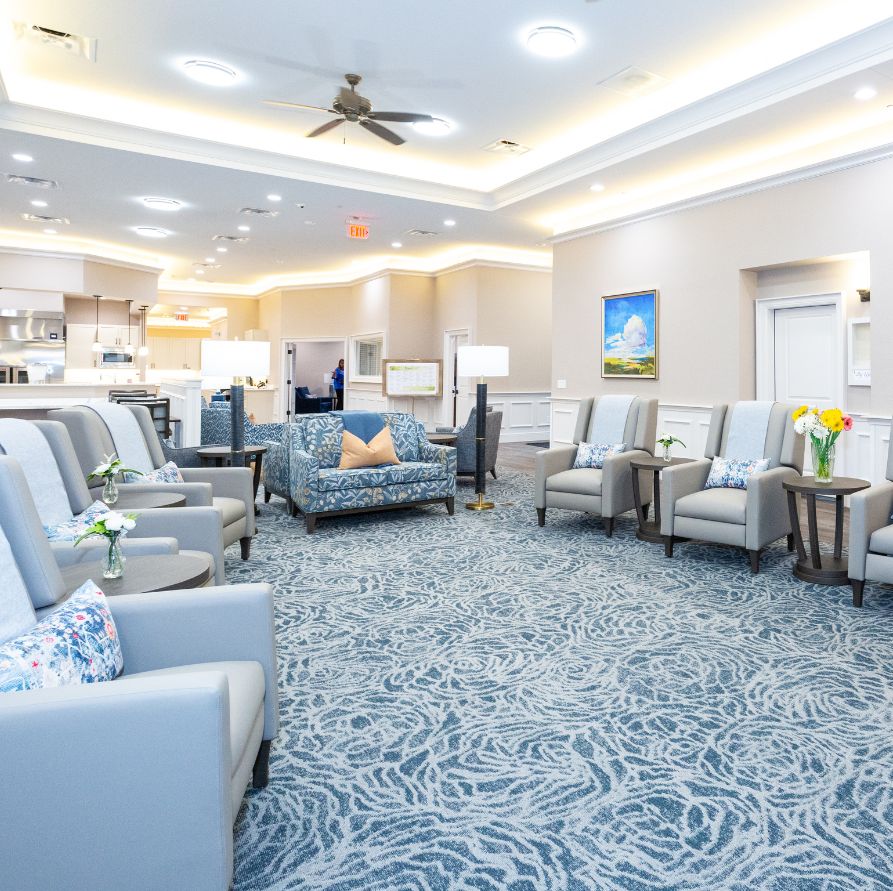
A secure, purposefully designed memory care setting provides continuous supervision and safety features tailored to residents’ needs in a homelike setting. These measures not only protect physical health but also provide peace of mind for the residents, families and caregivers.
- Wandering or becoming disoriented in familiar places
- Forgetting to turn off appliances like the stove or oven
- Difficulty managing medications correctly
- Increased risk of falls or other accidents
The Role of Family Caregivers
Providing care for a loved one with memory impairment is physically demanding, emotionally taxing, and, in some cases, unsafe over time. It is important to consider the well-being of the caregiver as well as the person receiving care. It is essential to evaluate the long-term sustainability of caregiving arrangements.
Finding a Healthy Balance
When caregiving responsibilities become physically and emotionally demanding, it can lead to caregiver burnout. Transitioning to professional memory care allows caregivers to step out of a constant supervisory role. This shift often improves outcomes for both the resident and the caregiver, and to return to being family vs. caregiver. It helps restore balance for the entire family.
Building a Support System
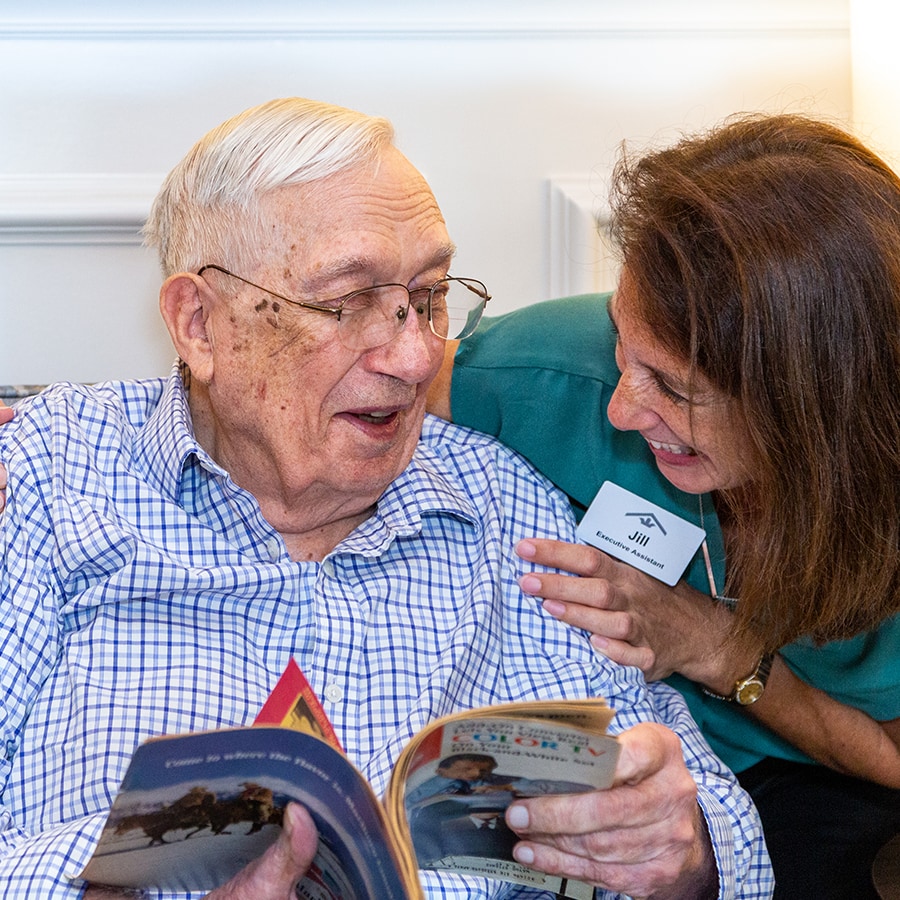
A specialized memory care community offers a network of support for the resident and their family. Professional oversight, consistent routines, and caregiver education help ensure continuity of care. You become part of a larger, caring community, and we offer self-care tips for caregivers to help along the way.

What a Supportive Memory Care Setting Offers
Memory care extends beyond basic assistance. It is a clinically informed approach to long-term support that emphasizes safety, routine, and meaningful engagement. This type of senior living focuses on purpose and connection. It’s designed to feel like a true home with:
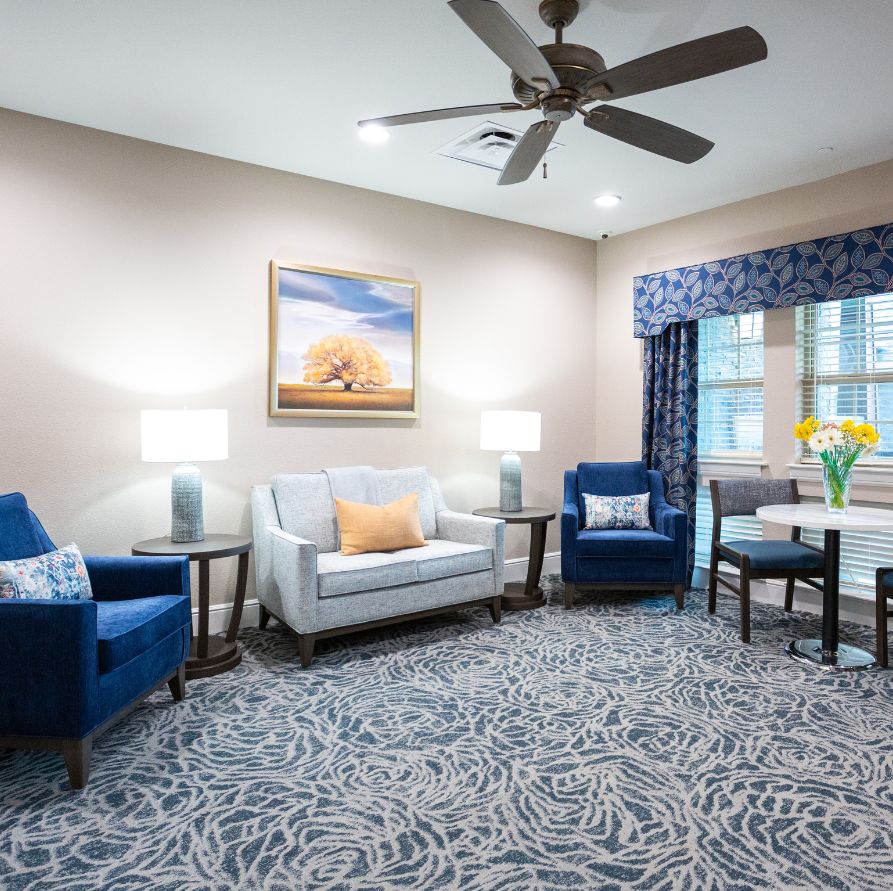
- A warm atmosphere designed for comfort and familiarity.
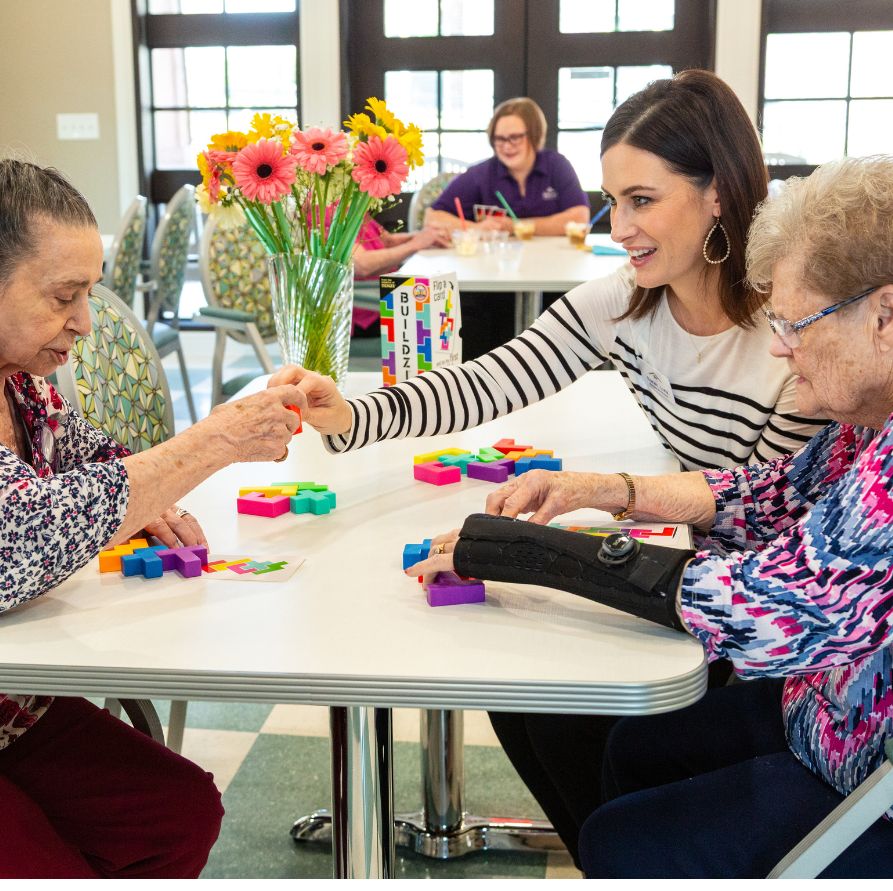
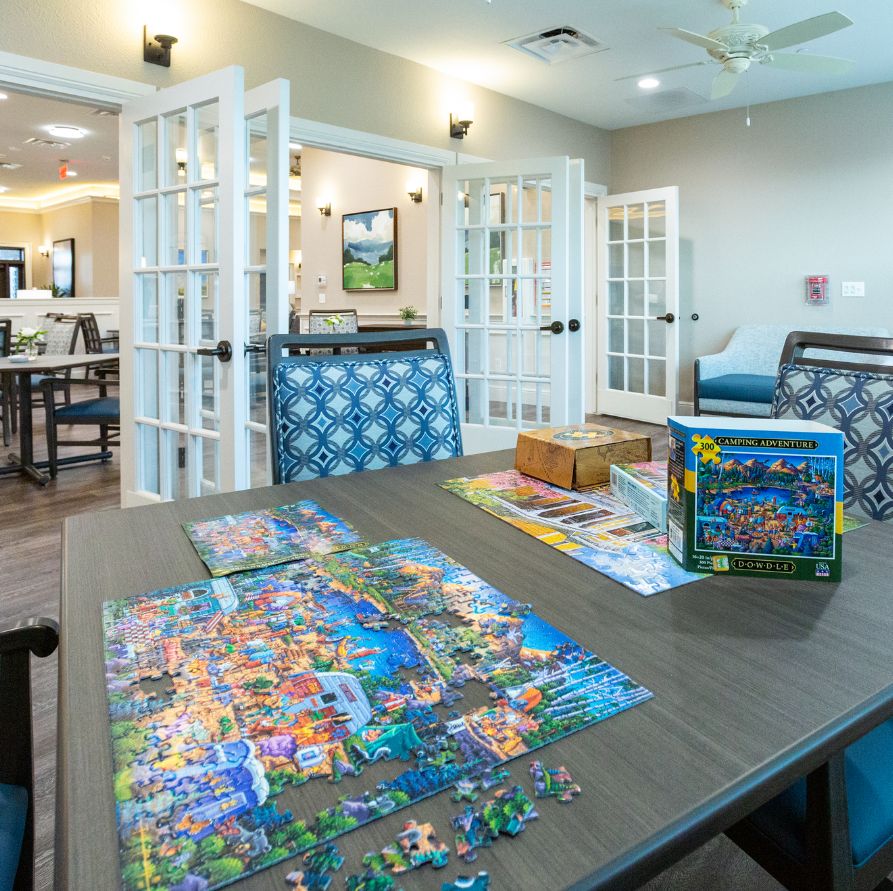
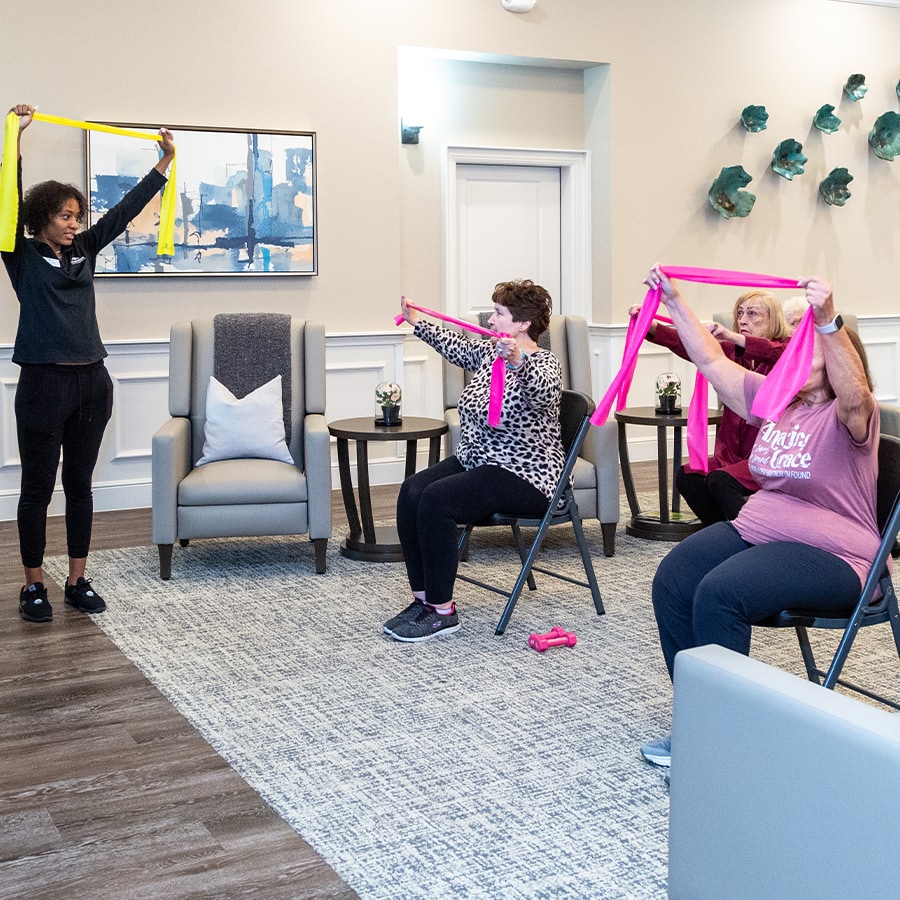
- Structured days with engaging programs and social opportunities.
- Around-the-clock care from a dedicated and compassionate team of true healthcare professionals.
- Chef-prepared dining experiences in a friendly setting.
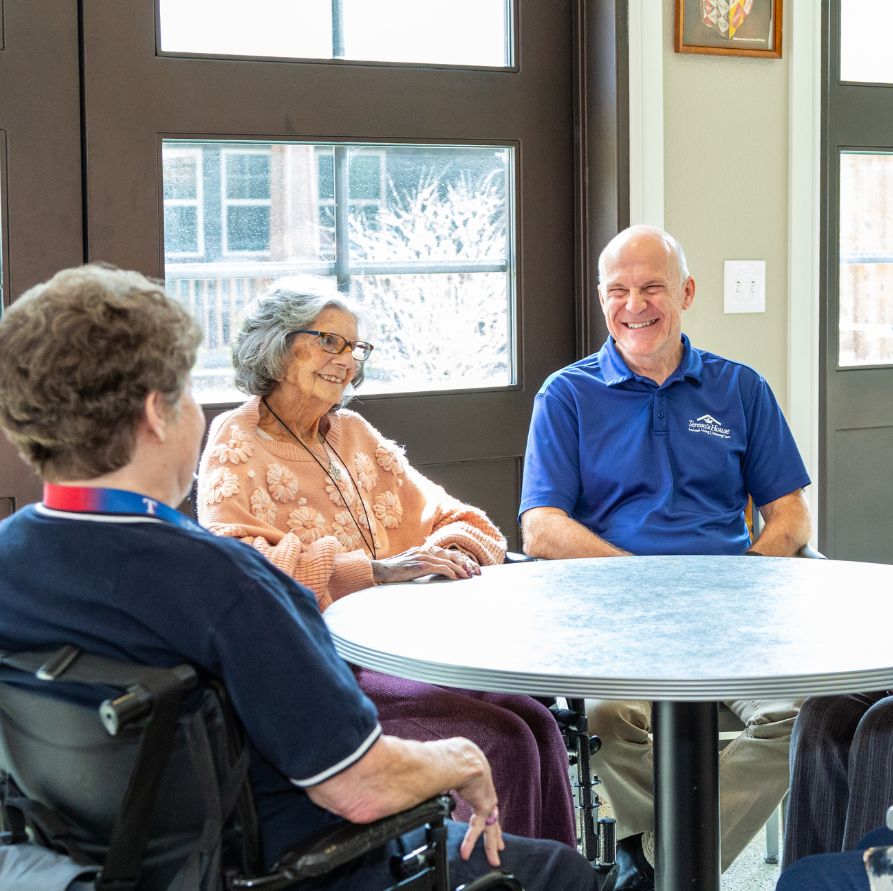
- A welcoming community of friends and neighbors.
Taking the Next Step with Senior Living in Argyle
Thinking about memory care in Argyle is a thoughtful step toward supporting your loved one. Learning about the different options for assisted living and memory care can help you make an informed decision. Understanding the differences between assisted living and memory care can help families make informed, responsible decisions. At Teresa’s House at Argyle, we are here to help you navigate this journey with grace and understanding.
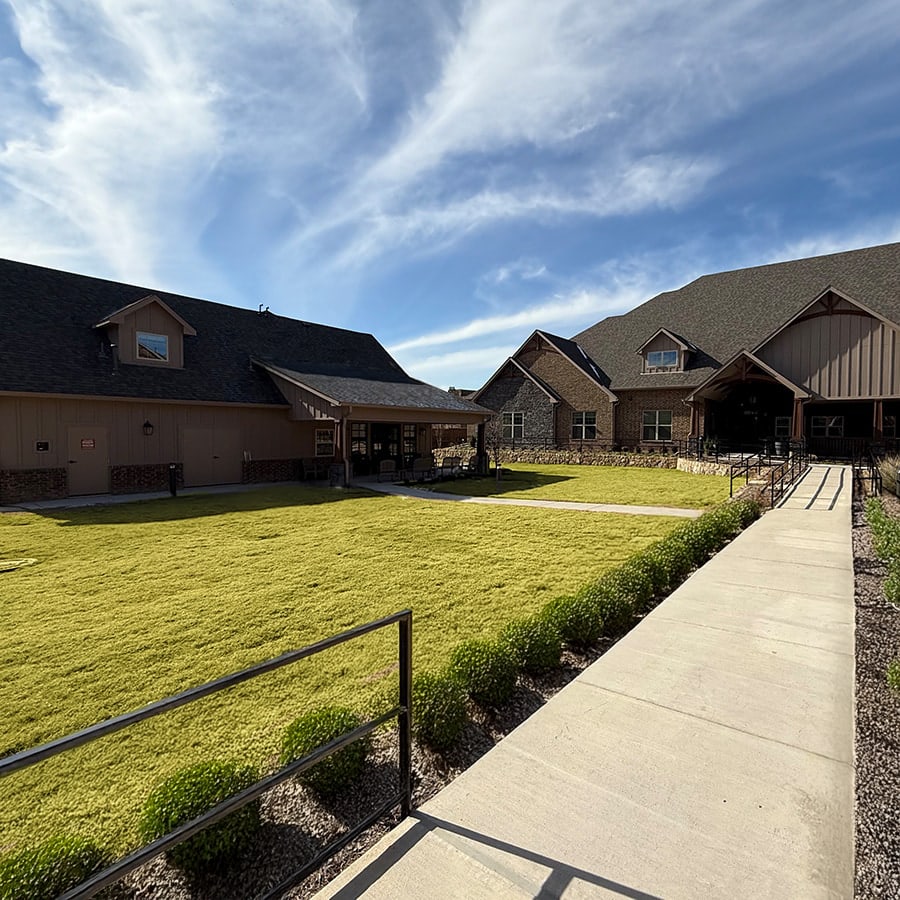
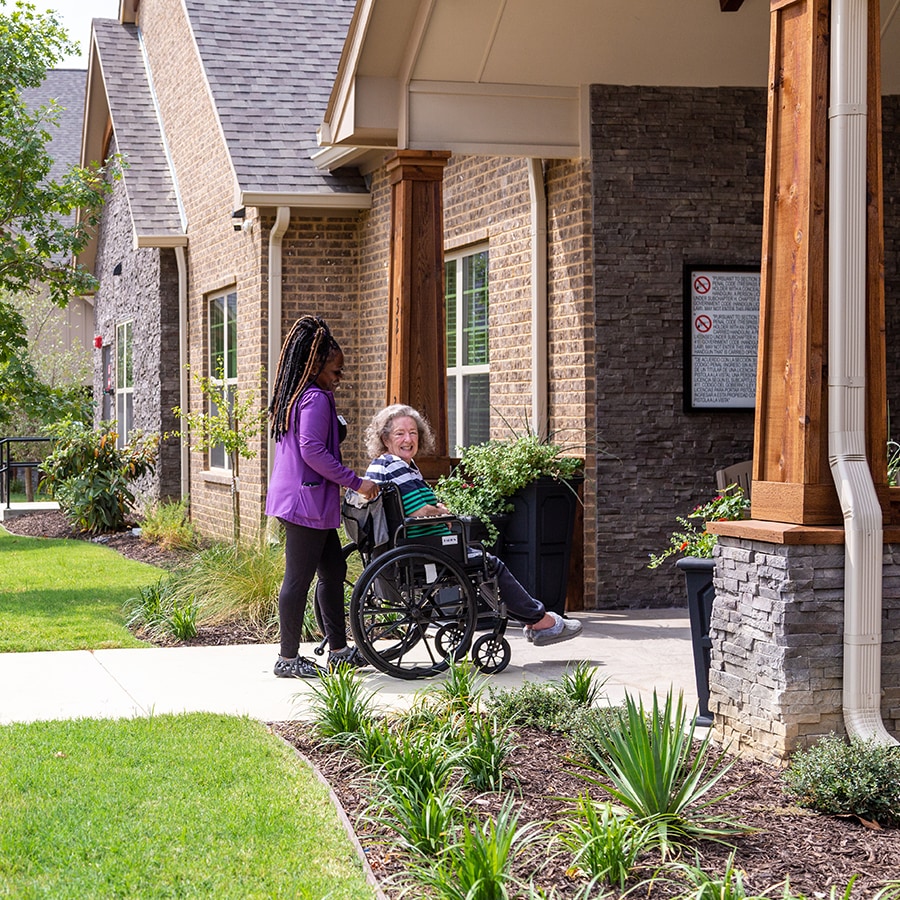
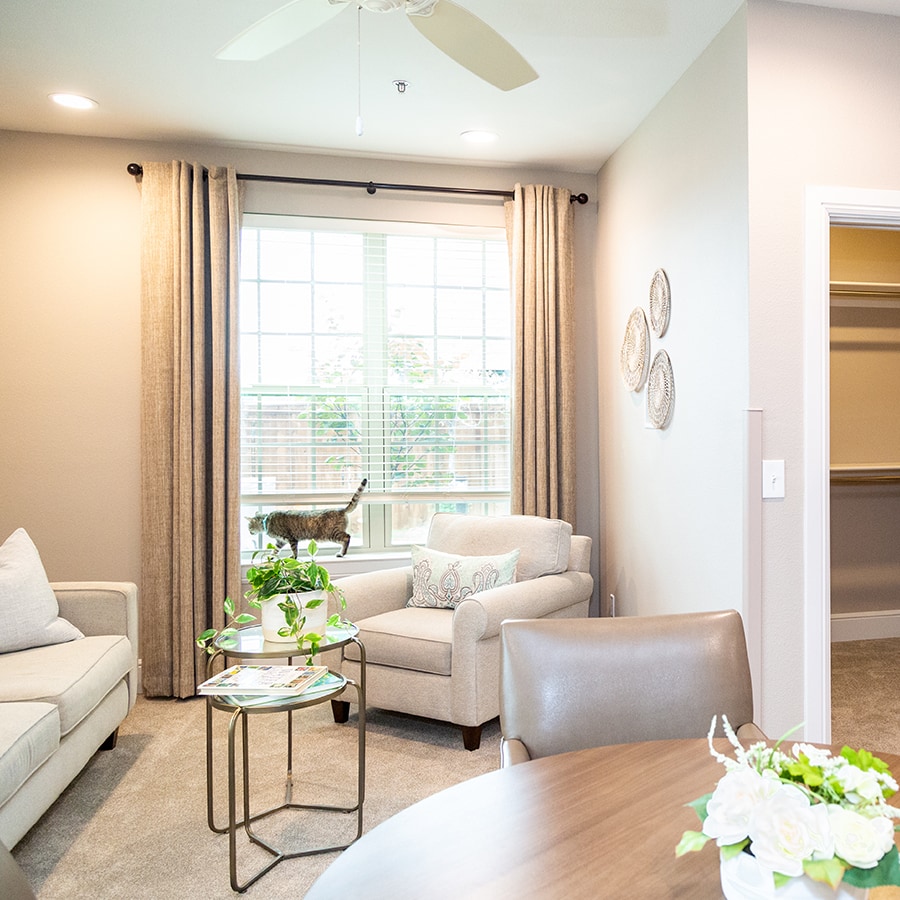
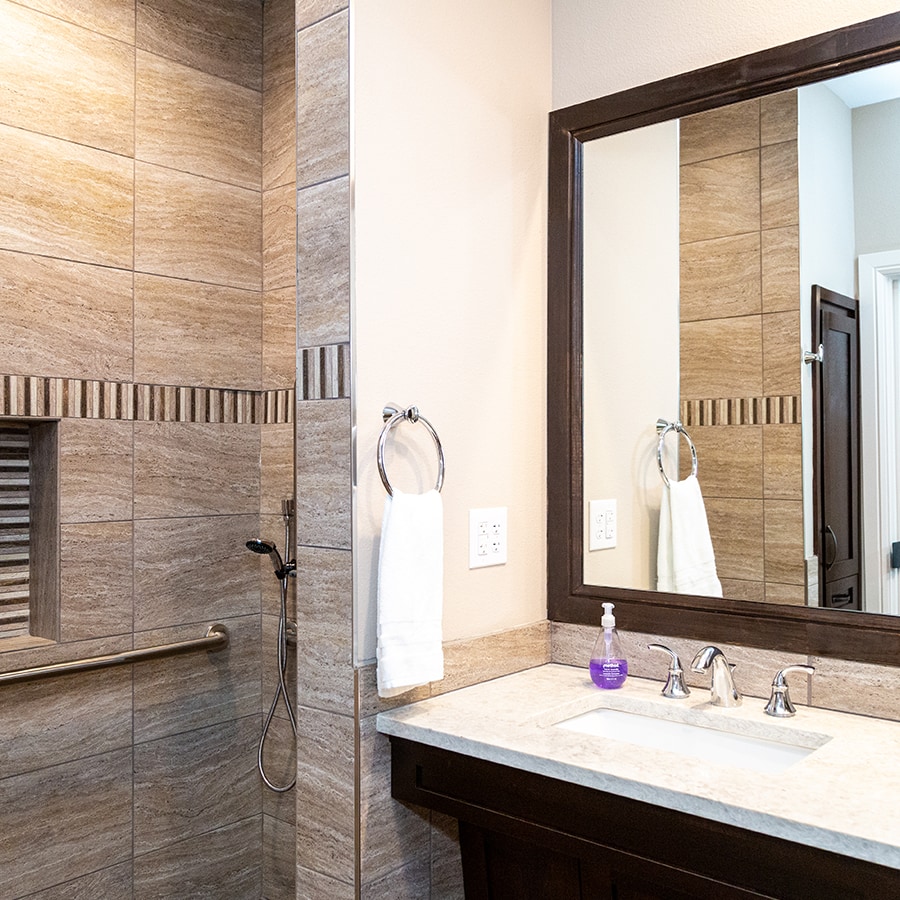
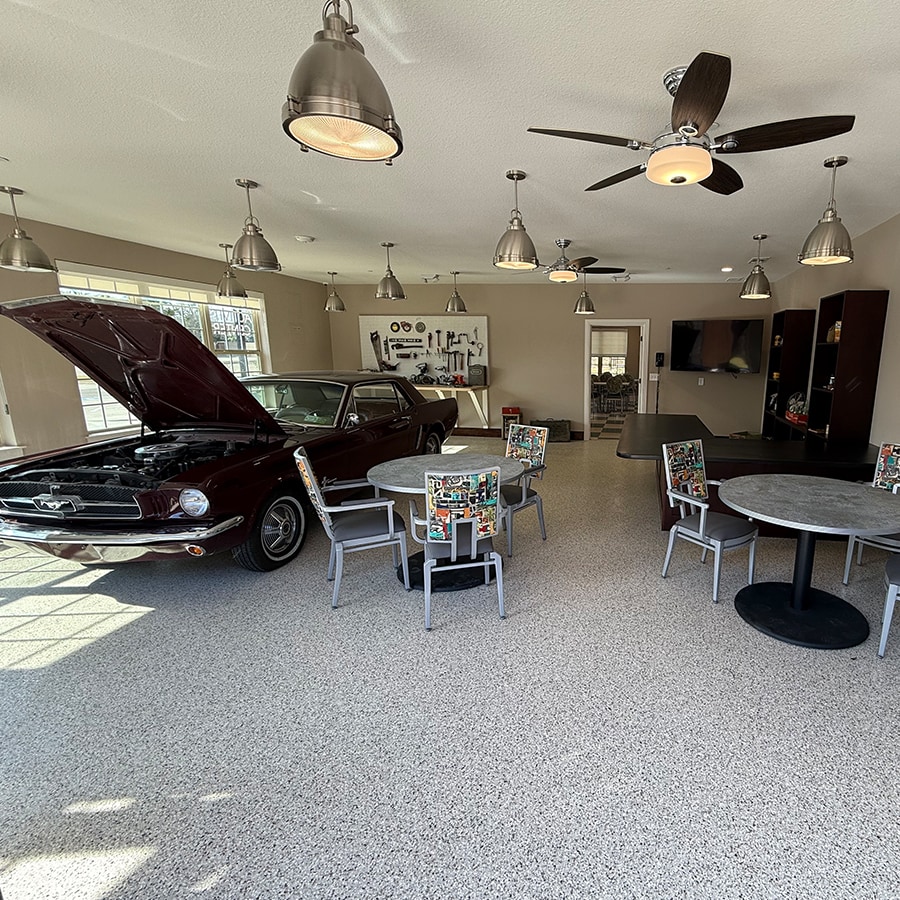
Teresa’s House is the community for those seeking the best for their loved one. The community reflects a deliberate approach to care, with thoughtfully designed residences, shared activity spaces, walking paths, and a village-style layout that supports safety, engagement, and quality of life. This is home.
Families are encouraged to learn more about the neighborhood-based approach to memory care and how it differs from traditional models. Scheduling a personal tour allows for a clearer understanding of how structured care, environment, and professional support come together to meet evolving needs.