

Key Takeaways
- Dementia care focuses on comfort, continuity of care, and the provision of full-time clinical support.
- Memory care communities are designed with safe and structured environments to promote calm and security.
- A residential, small-scale care environment can positively influence comfort, familiarity, and overall well-being.
- When evaluating a community, observe staff–resident interactions and review daily routines and care programs.
Navigating Late-Stage Dementia with Compassion and Clarity
Dementia presents a distinct set of clinical, emotional, and practical considerations as care needs continue to increase. At communities like Teresa’s House, the focus shifts toward comfort, safety, and consistent, compassionate support.
Understanding how care models differ at the various stages of dementia can support informed decision-making. Specialized memory care offers a supportive, structured environment designed to enhance comfort and quality of life for individuals with advanced cognitive changes. It provides an environment where individuals receive individualized care within a residential, non-institutional setting.
What to Expect with Mid to Later-Stage Dementia
As dementia progresses, functional abilities and care needs continue to change. Care priorities increasingly center on comfort, safety, and consistent support for daily activities. This stage requires responsive care that adapts to the individual’s current abilities and needs.
Changes in Communication and Mobility
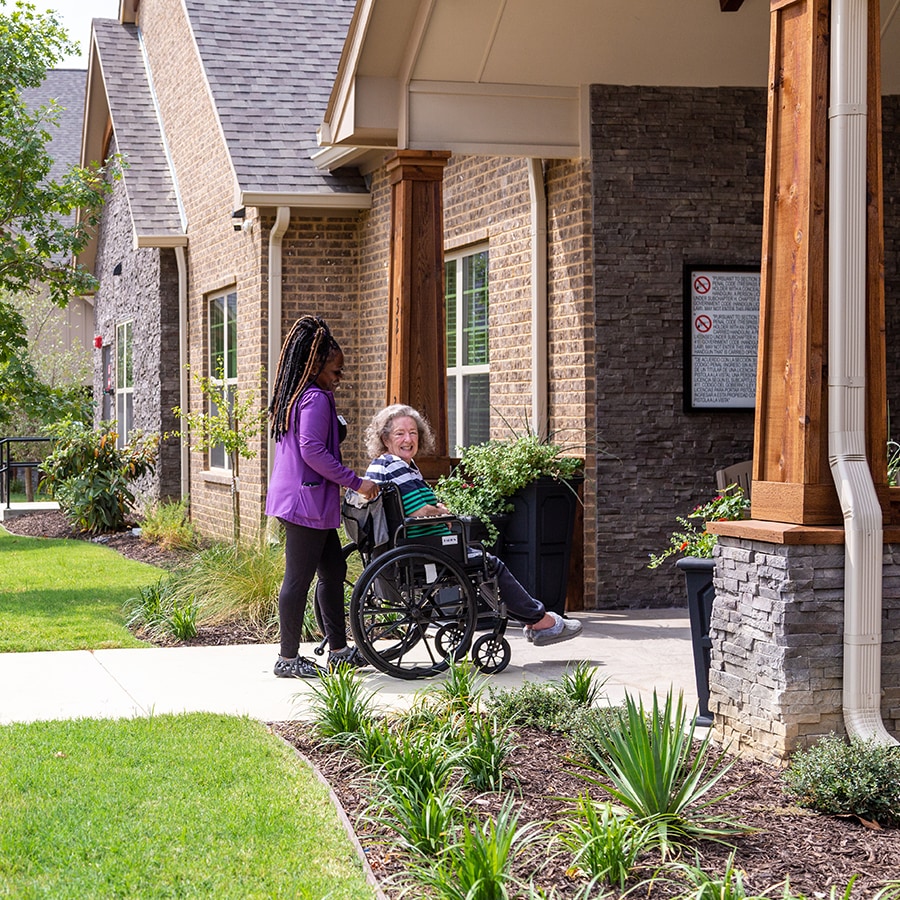
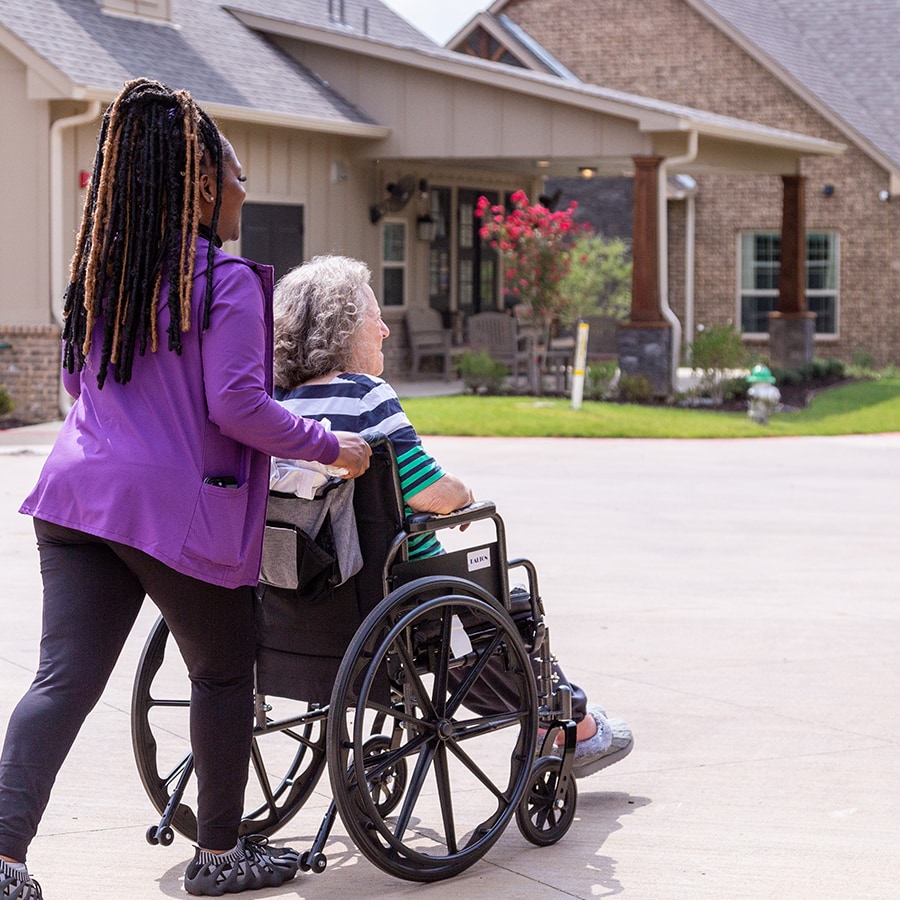
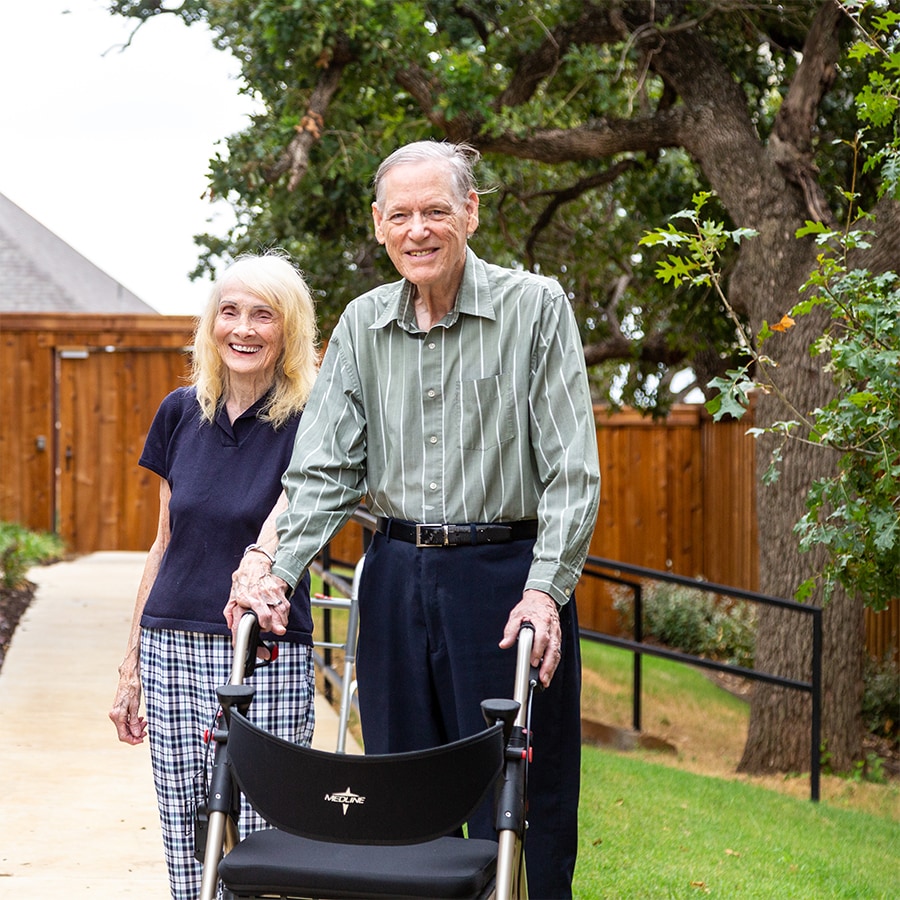
Communication often becomes increasingly non-verbal, relying on facial expressions, gestures, and physical cues. You might also see changes in mobility, requiring more assistance to move safely and comfortably. Care focuses on accurately interpreting these cues and providing appropriate physical assistance.
The Need for Full-Time Support
The need for continuous, round-the-clock supervision and support typically increases. This includes help with personal care, meals, and simply having someone present for reassurance. Having consistent, full-time support helps create a secure and predictable environment.
A Focus on Quality of Life
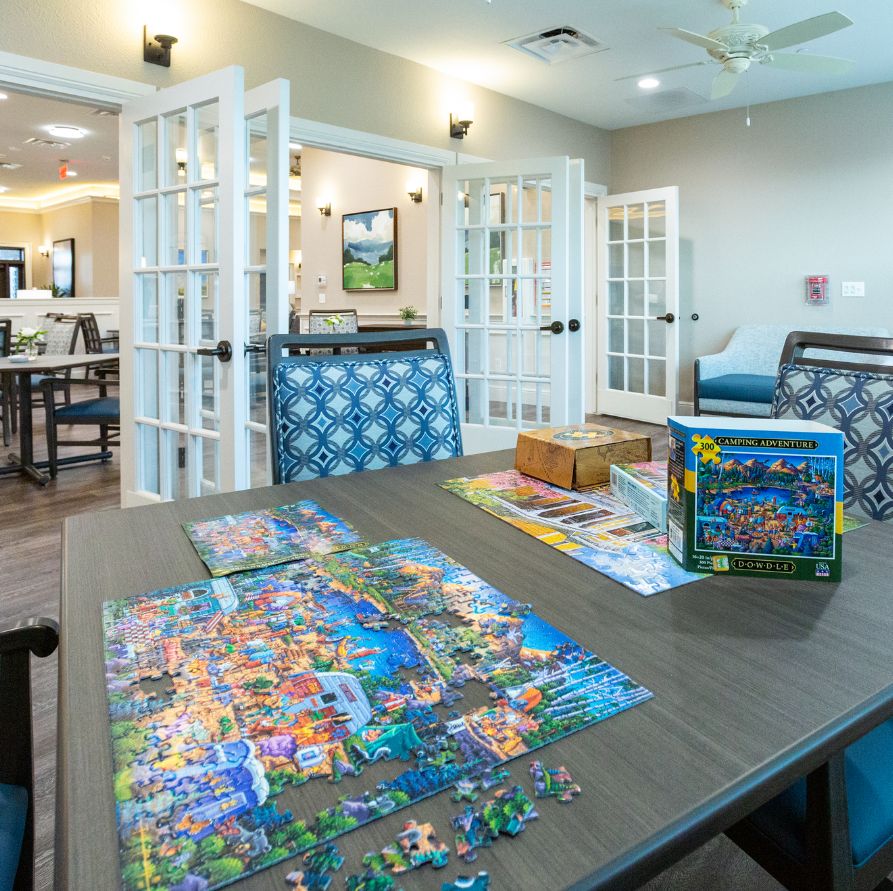
Maintaining quality of life remains a central objective during this stage of care. Comfort and engagement are often supported through sensory-based experiences such as music, natural light, and supervised dining. The goal is to create moments of peace, contentment, and connection each day.
How Specialized Memory Care Helps
Memory care communities provide a specialized care model designed to support individuals with mid to advanced cognitive impairment. The environment, programs, and staff are all thoughtfully selected to provide comfort, security, and a sense of belonging for every resident. This focused approach directly impacts daily care quality and safety.
A Safe and Structured Environment
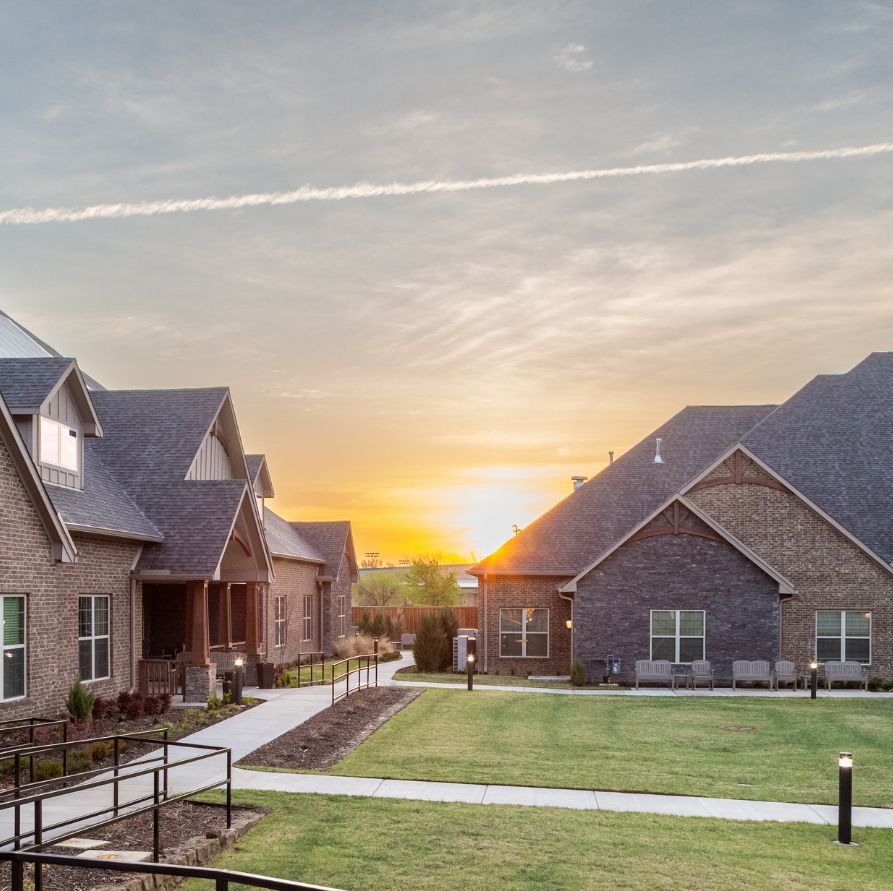
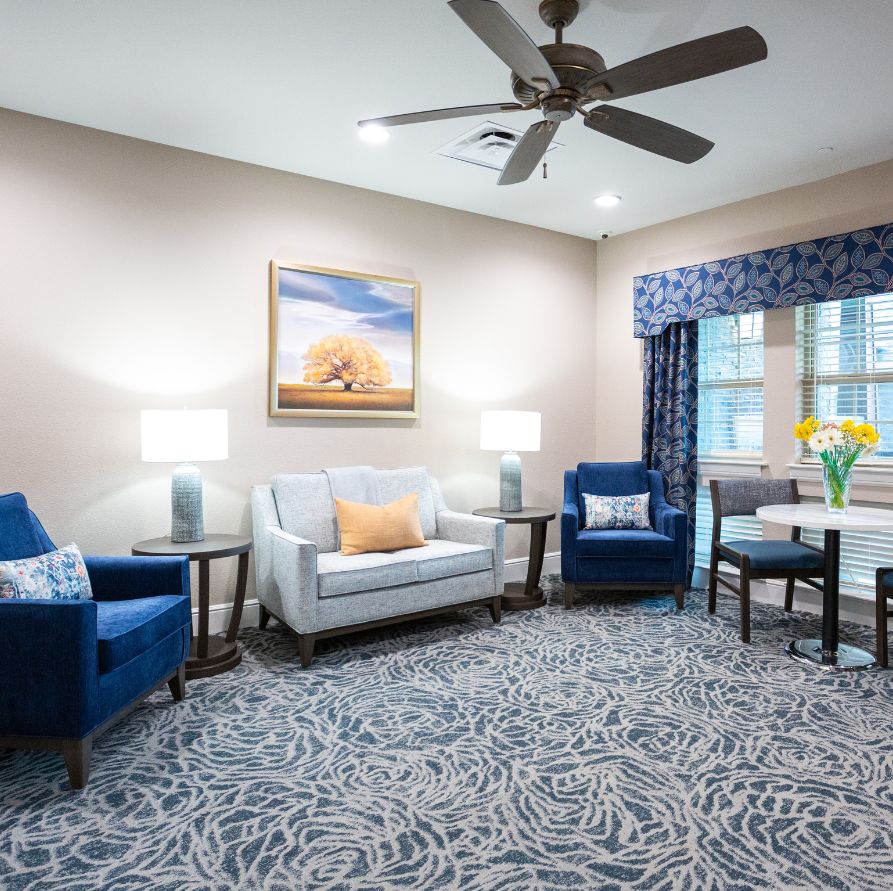
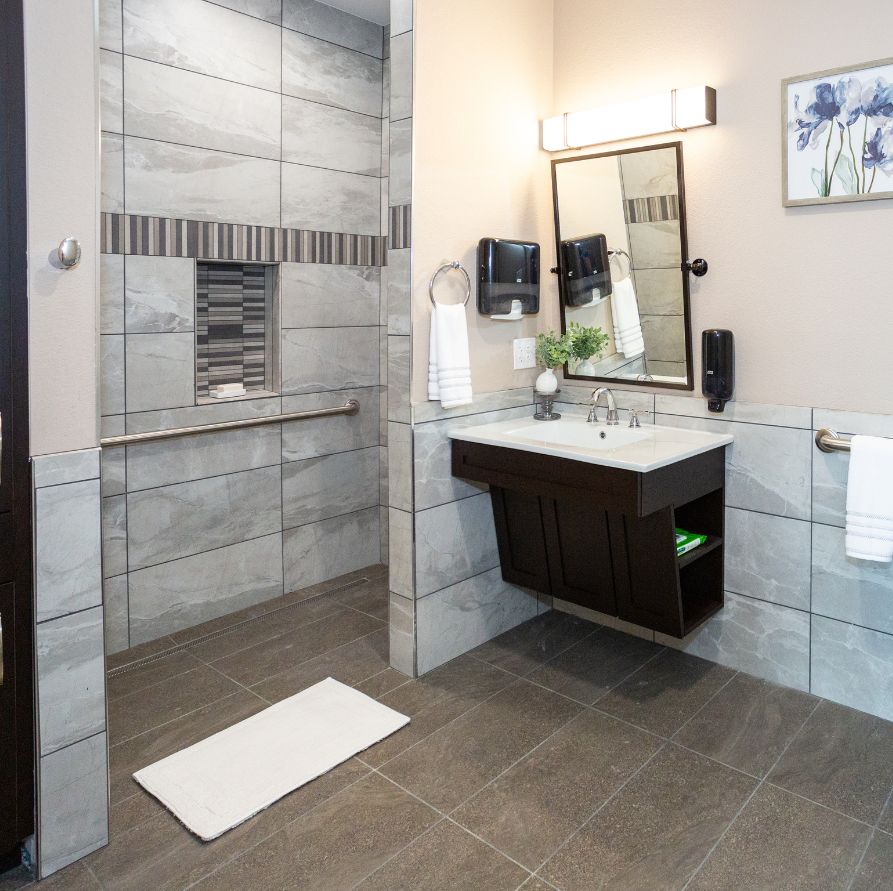
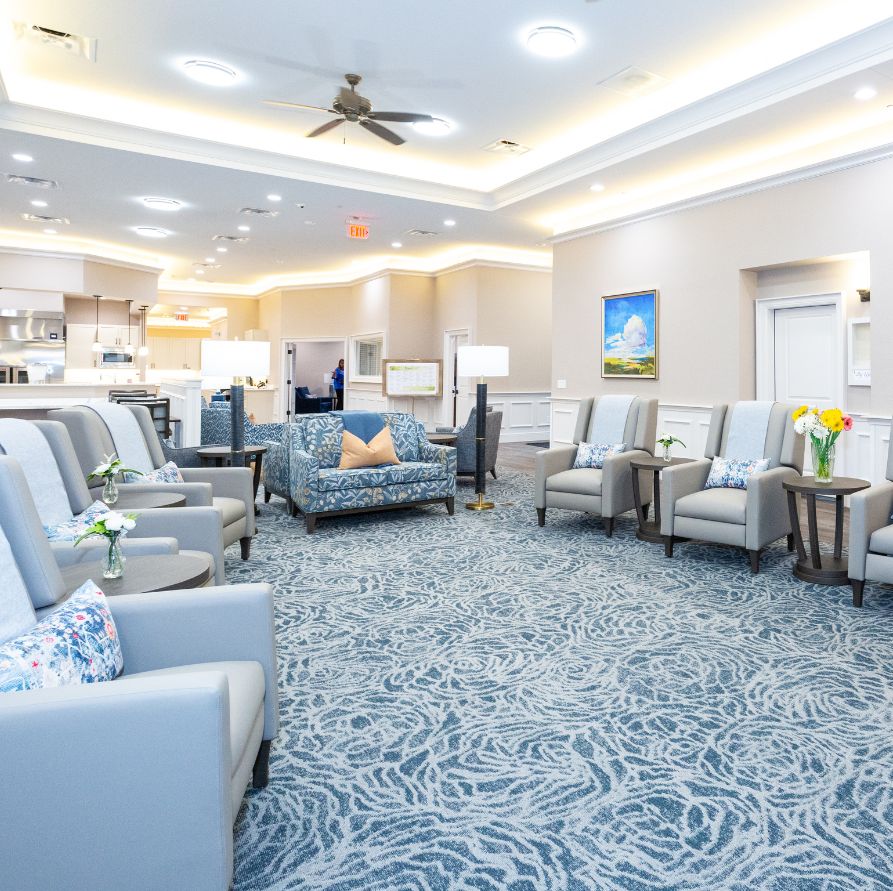
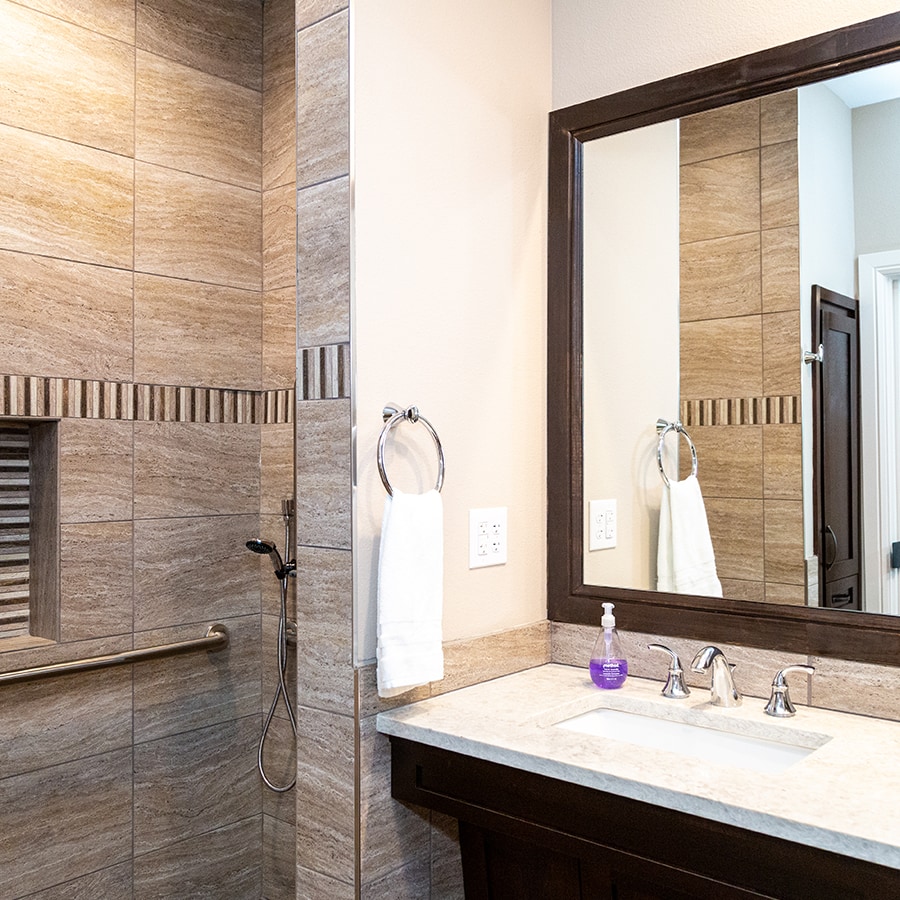
A well-designed memory care neighborhood is both safe and easy to navigate. Purposefully designed environments often include clear pathways, appropriate lighting, and secure layouts, which can also help reduce the chances of wandering. Such environments are intended to reduce confusion and support orientation and safety.
Personalized Care and Attention
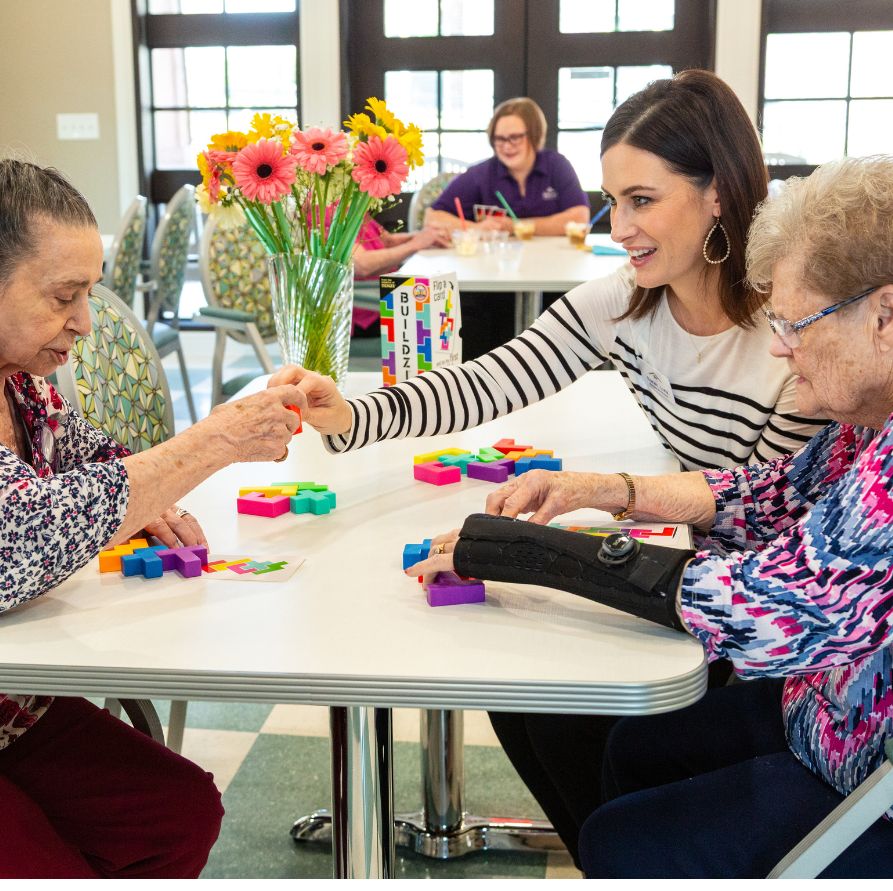
With a higher caregiver-to-resident ratio, your loved one can receive more personalized attention. Care teams are able to understand individual care needs, preferences, and behavioral patterns.
Programs for Sensory Engagement
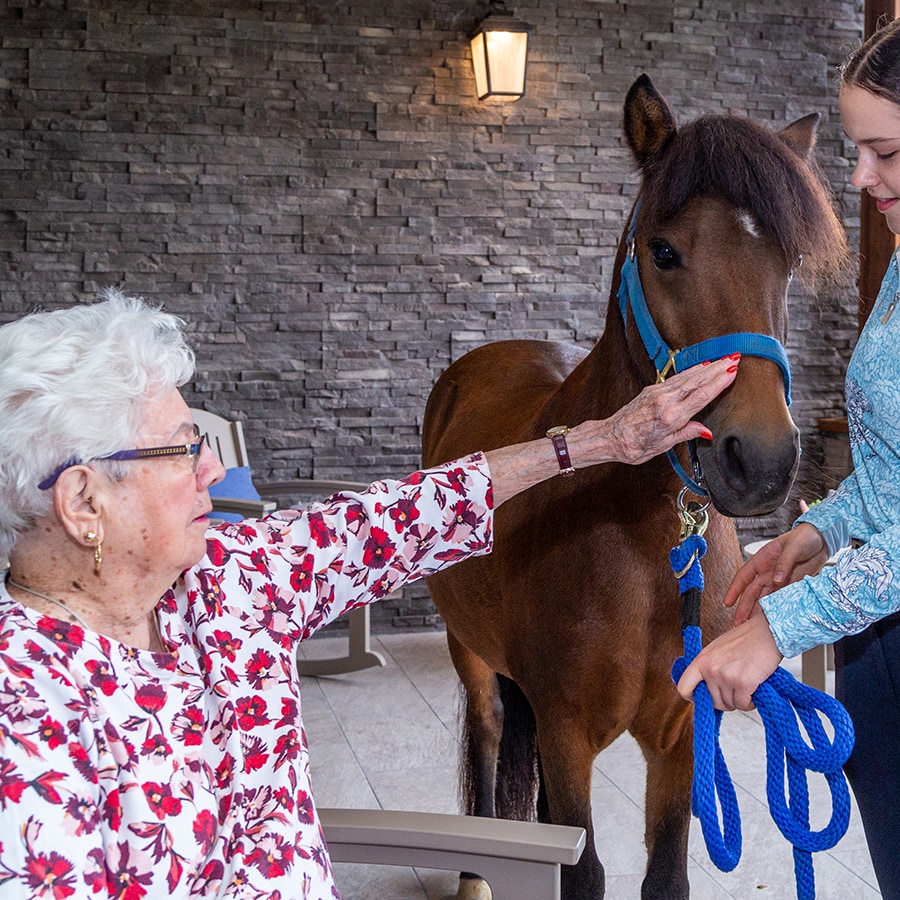
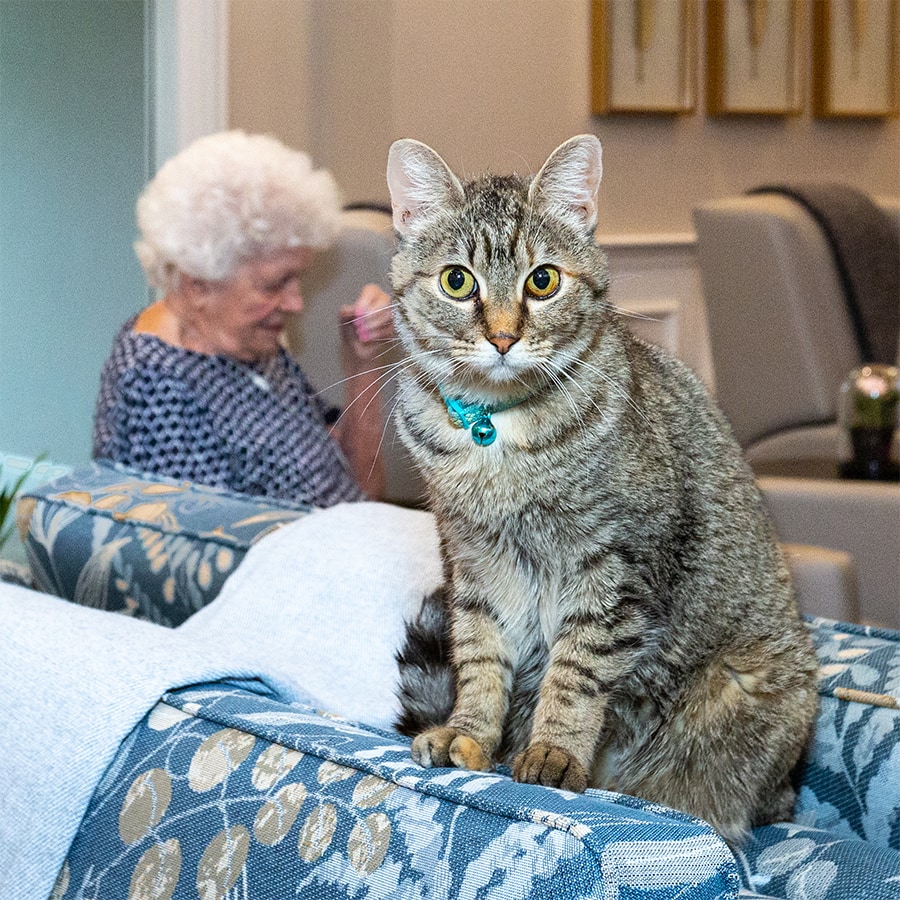
Daily life is often enriched with programs that engage the senses. These activities can include things like music, art, spending time with gentle animals, or enjoying scenic views. These experiences are intended to provide appropriate stimulation and reduce agitation.

The Value of a Homelike Atmosphere
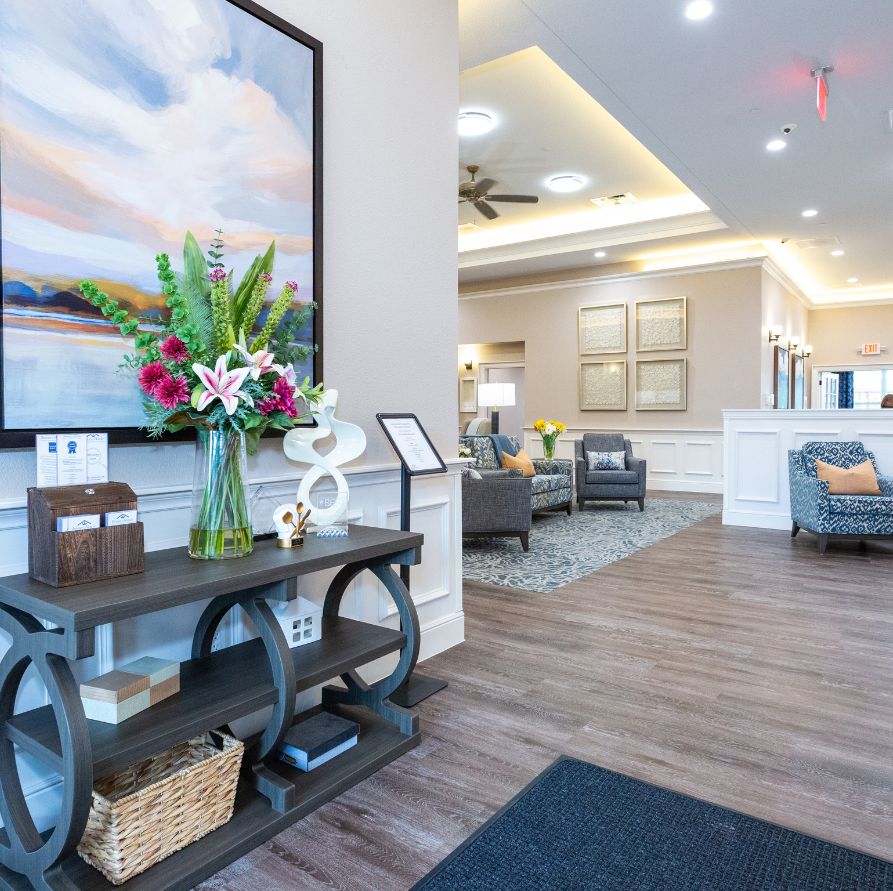
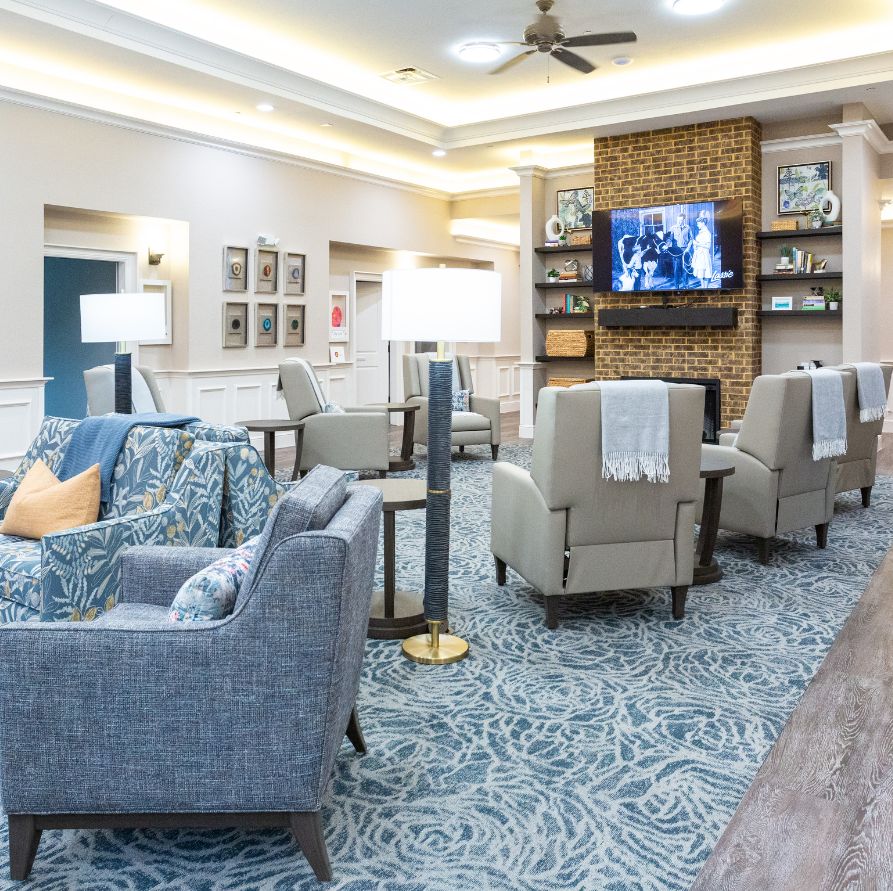
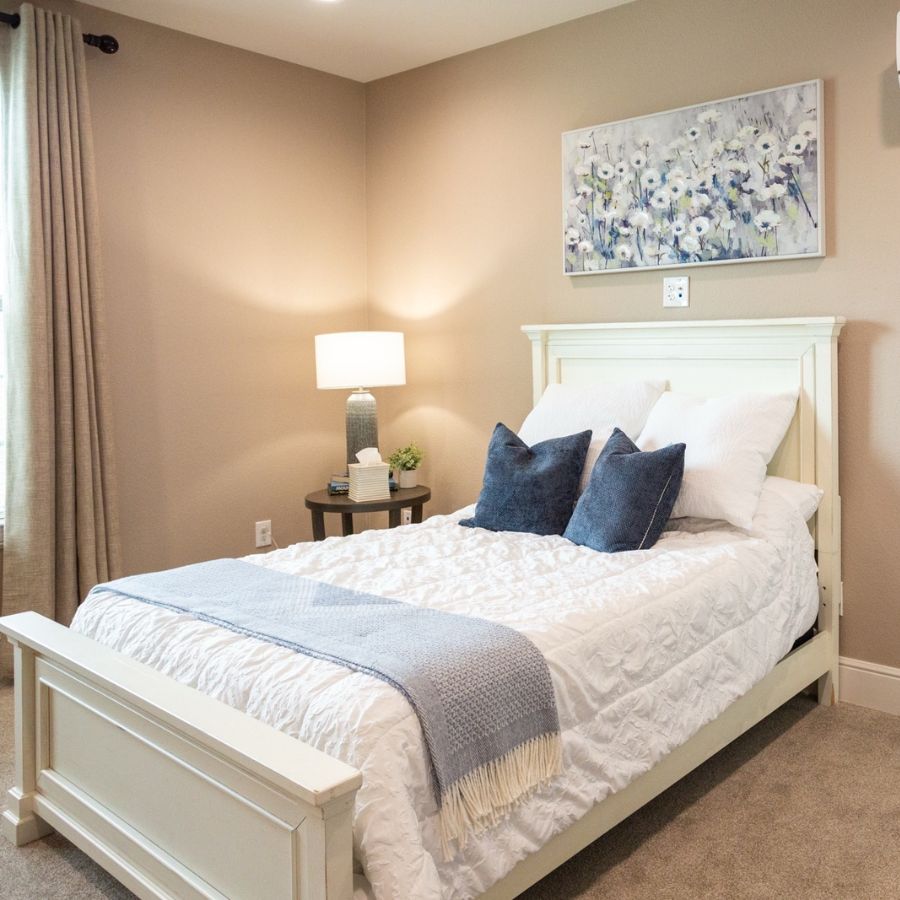
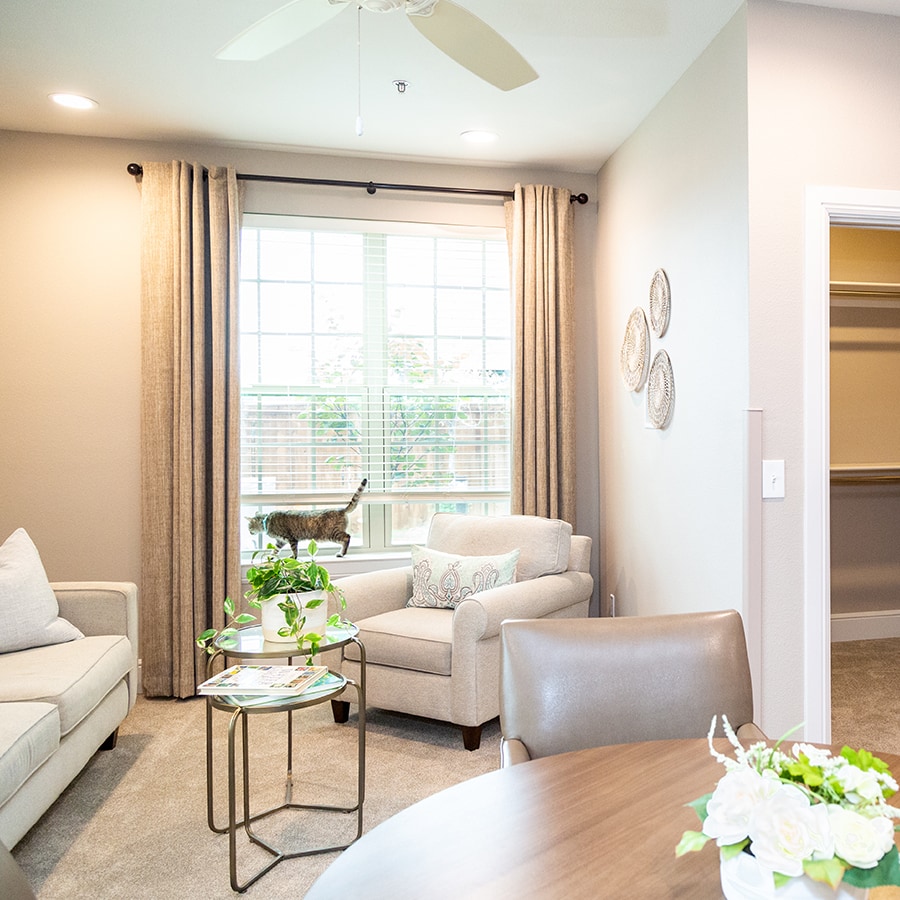
A residential-scale setting can positively influence comfort, familiarity, and emotional regulation. When you look for memory care, consider how the physical space and community culture contribute to a true sense of home. Environmental design and community structure play an important role in resident experience.
The Comfort of Small, Intimate Homes
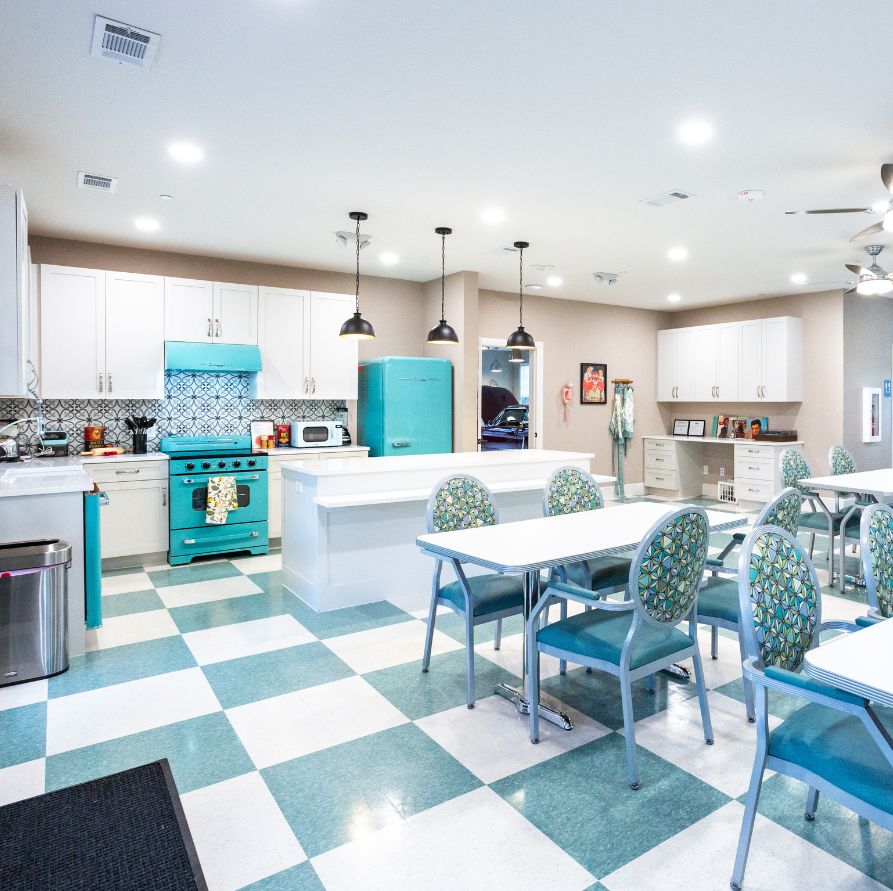
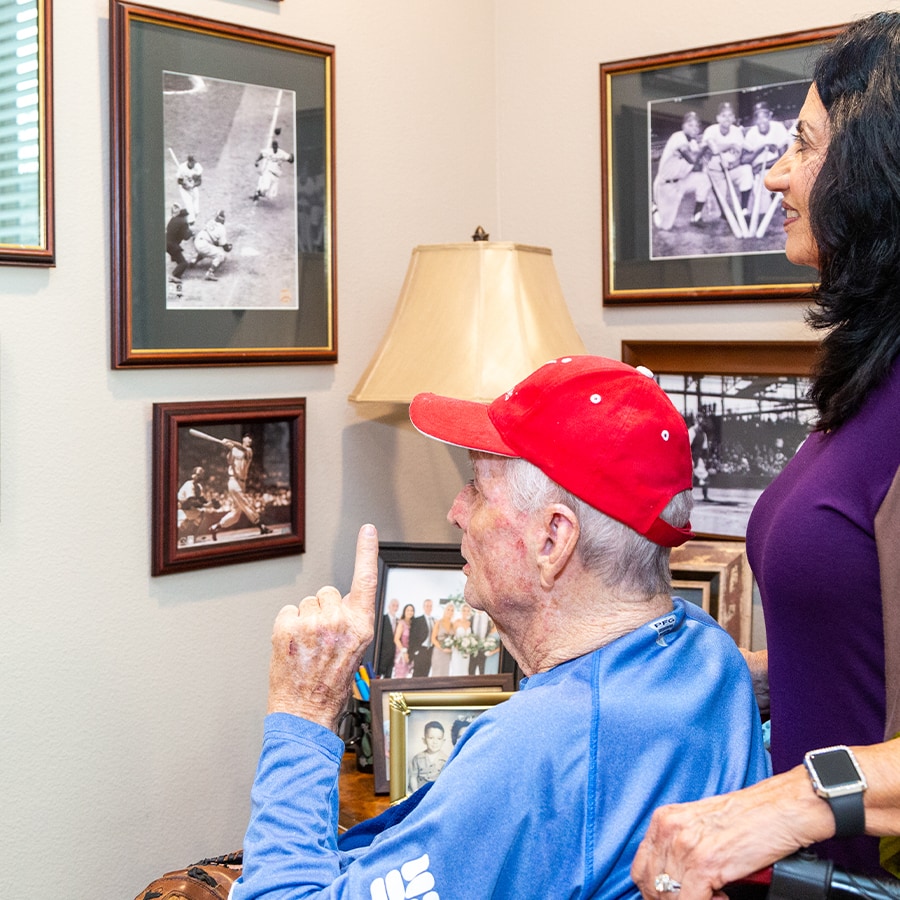
Smaller, more intimate homes with just a handful of residents create a neighborhood feel. This setting allows for deeper connections to form between residents and caregivers. It feels less like an institution and more like an extended family.
Dignified Support from Trained Caregivers
Caregivers are selected and trained to provide clinically appropriate, compassionate care. They are trained to provide support that respects each person’s history and dignity. Consistent professional care can reduce caregiver burden and improve family confidence in care quality.
Familiar Routines for Peace of Mind
Consistent daily schedules support routine, orientation, and emotional stability. Predictable schedules for meals, activities, and rest help create a stable and calming rhythm to the day. This structure contributes to safety and predictability.
How to Choose a Senior Living Community in Argyle
When you explore your options for senior living, it helps to know what to look for. The goal is to identify a community that provides appropriate safety, respect, and support. Taking the time to visit and observe can give you a clear picture of what daily life is like.
Questions to Ask During a Visit
Ask questions that clarify care practices, routines, and transition support. Ask questions that reveal the community’s culture. You might ask, “How do you help new residents settle in?” or “Can you tell me about a favorite activity among the residents?” These questions can help you understand the community’s approach to care.
Observe Staff and Resident Connections
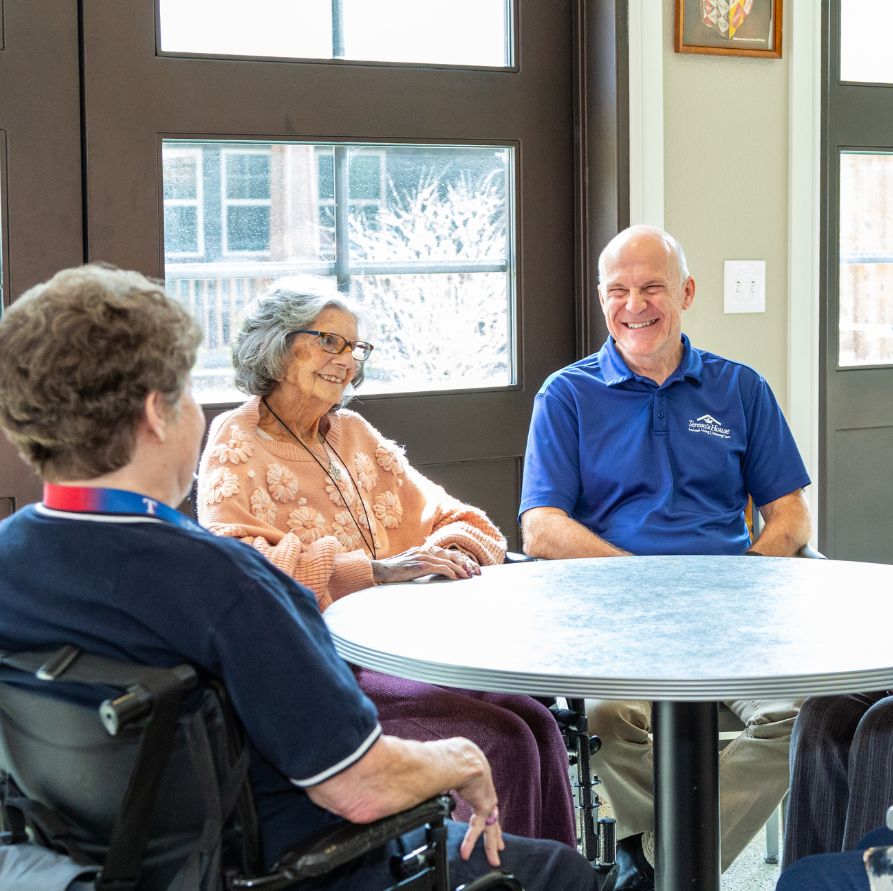
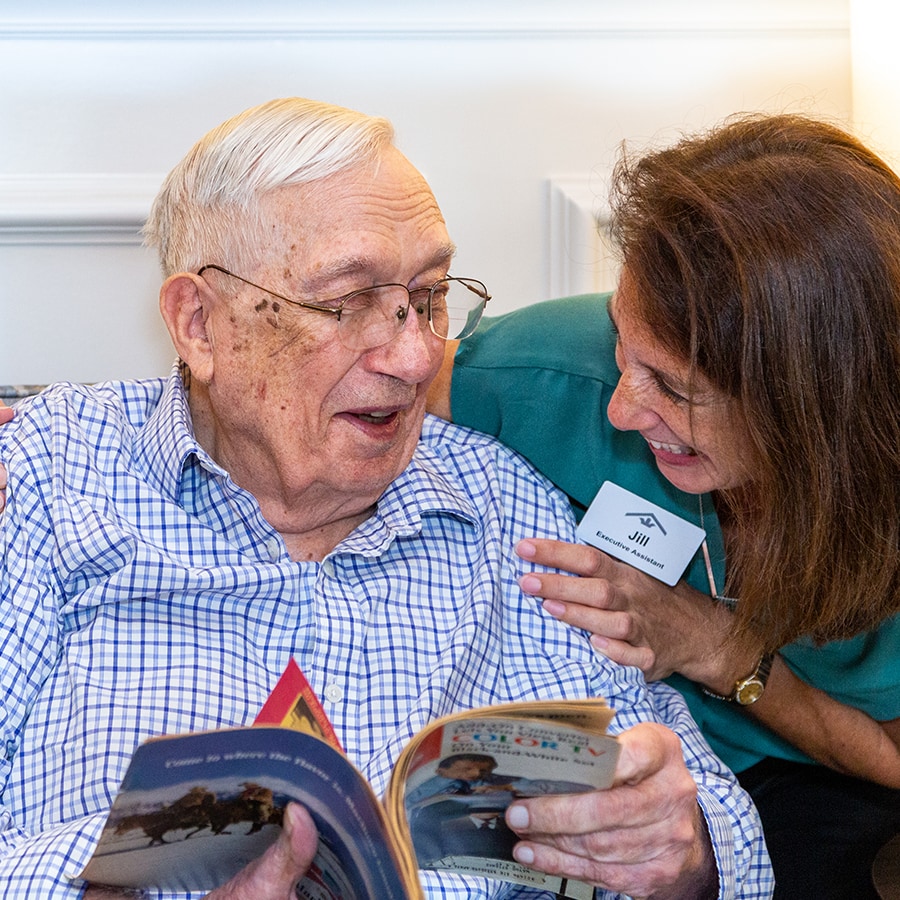
Pay attention to the interactions happening around you. Observe whether caregivers demonstrate attentiveness, patience, and consistency. Are residents treated with kindness and patience? These small moments of connection can tell you a lot about the heart of the community.
Look at the Daily Calendar and Amenities
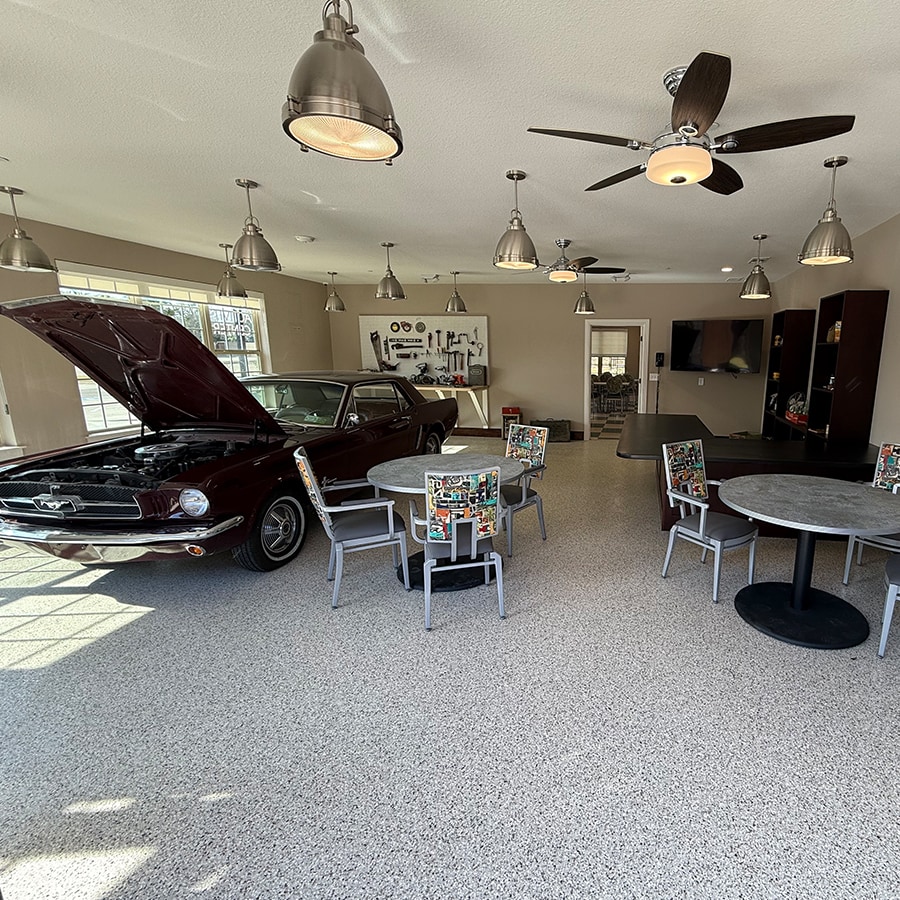
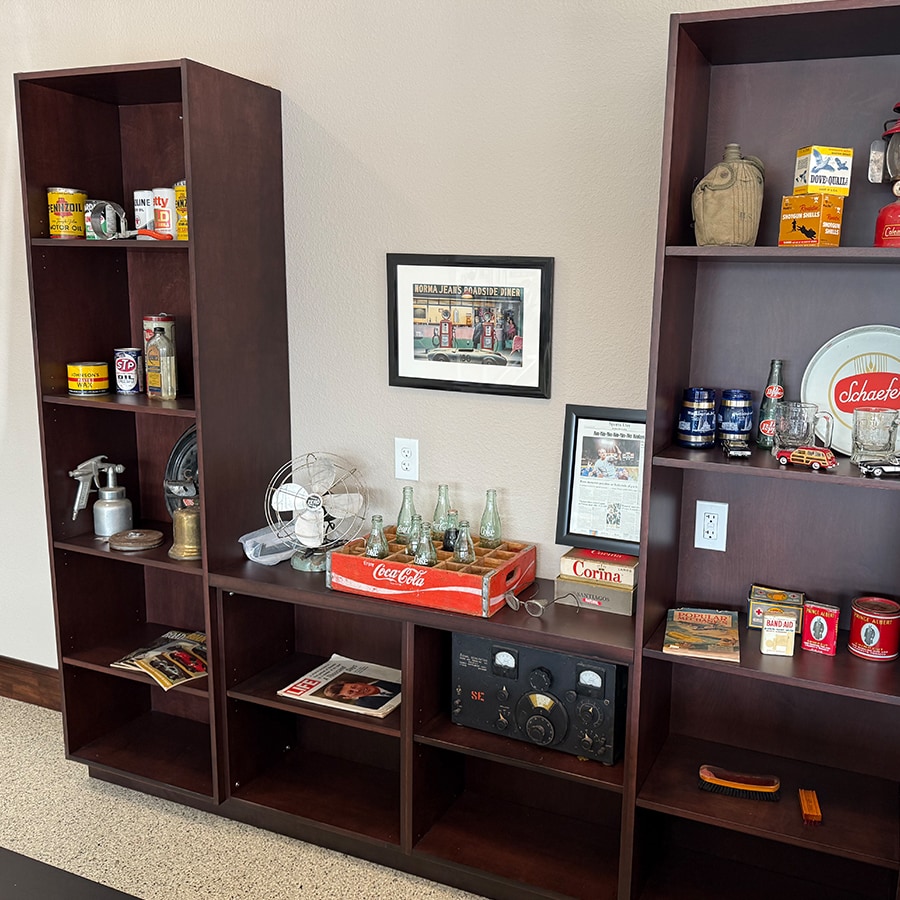
A full calendar of events shows a commitment to engaging residents. Also, look for unique amenities that cater to different interests, whether it’s beautiful outdoor spaces, a classic car showroom, or spiritual programs. These elements contribute to engagement and routine.
Memory Care Villages at Teresa’s House
At Teresa’s House in Argyle, TX, our memory care villages are designed to help our residents receive specialized support for Alzheimer’s and Dementia. We offer a safe, familiar environment, structured activities that stimulate the senses, as well as state-certified caregivers who maintain a 1-to-5 caregiver-to-resident ratio during waking hours.
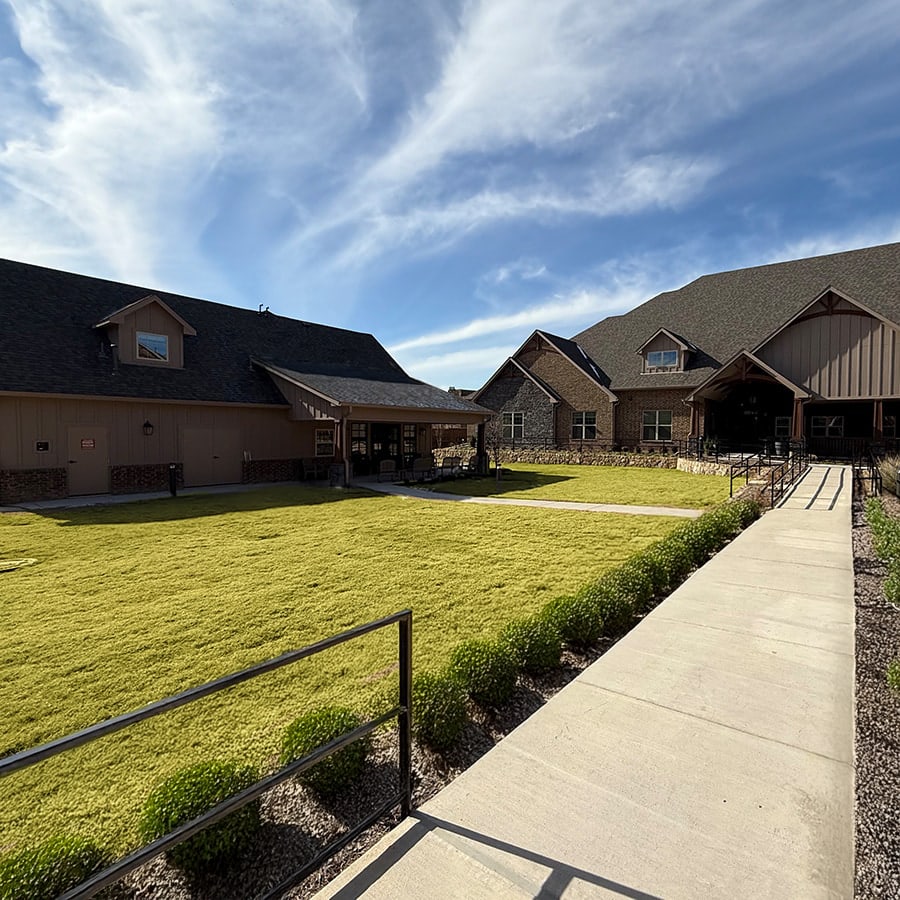
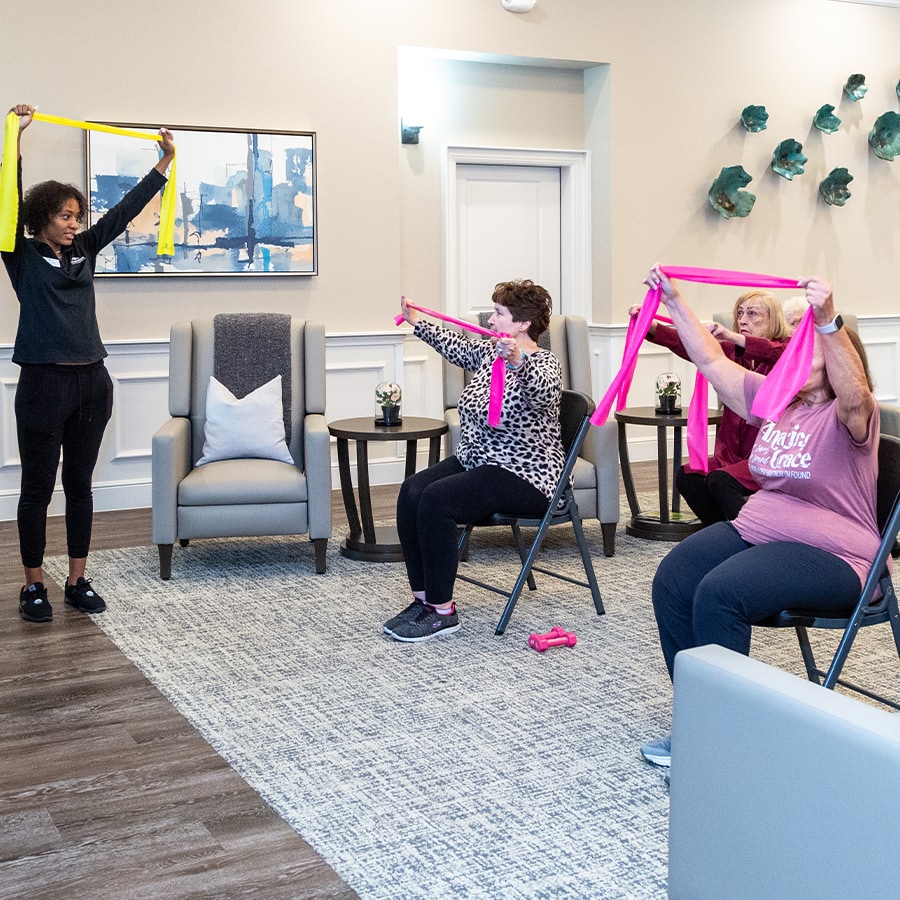
Residents enjoy therapeutic activities like equine activities, pet therapy, and intergenerational programming, as well as family-style dining that fosters connection, health, and wellness. Residents can participate in music therapy, experience a relaxing massage, or simply enjoy the serene view from their front porch. Our communities even feature stunning garages with vintage Mustangs, where residents can get a close-up experience with these wonderful machines
At Teresa’s House, our community offers compassionate care, rich and vibrant amenities, and meaningful experiences designed to nurture both mind and soul.
Find a Community Built on Compassion
An appropriate senior living community provides structured care that supports dignity, safety, and quality of life. When you find the right fit, you are choosing a setting where meaningful relationships can form and every day is approached with warmth and kindness. It’s about finding a true home.
At Teresa’s House at Argyle, the mission is to provide the finest senior care in a supportive, home setting. If you’re exploring assisted living or memory care in Argyle, you can learn more about the neighborhood approach and see how the community helps residents and their families feel at ease.