If you’ve been researching assisted living or memory care, you’ve probably noticed one phrase appears almost everywhere: personalized care. Nearly every senior living community promises individualized attention, compassionate caregivers, and resident-centered support.
But what does personalized care actually look like in everyday life?
At Teresa’s House, we believe the answer goes far beyond creating a care plan or meeting physical needs. Relationship-focused care means truly knowing each resident—not just their medical history, but their personality, life experiences, routines, preferences, and the little things that make them who they are. It’s the difference between caring for someone and caring about someone, and for residents and their families, that difference can be life-changing.
Every Resident Has a Story Worth Knowing
Every resident who walks through our doors brings a lifetime of memories, traditions, accomplishments, relationships, and experiences that deserve to be honored. Maybe your father spent decades teaching history and still enjoys talking about current events over breakfast. Perhaps your mother always loved tending her flower garden and finds comfort sitting outdoors. Maybe your loved one looked forward to Sunday family dinners or never missed watching their favorite football team.
These aren’t simply interesting details—they’re part of a person’s identity. Relationship-focused care begins by learning those stories because they help us understand what brings comfort, familiarity, purpose, and joy to each resident.
Personalized Care Goes Beyond a Care Plan
Care plans play an important role in supporting each resident’s health and daily needs, but exceptional care extends beyond medications, mobility, and assistance with everyday tasks.
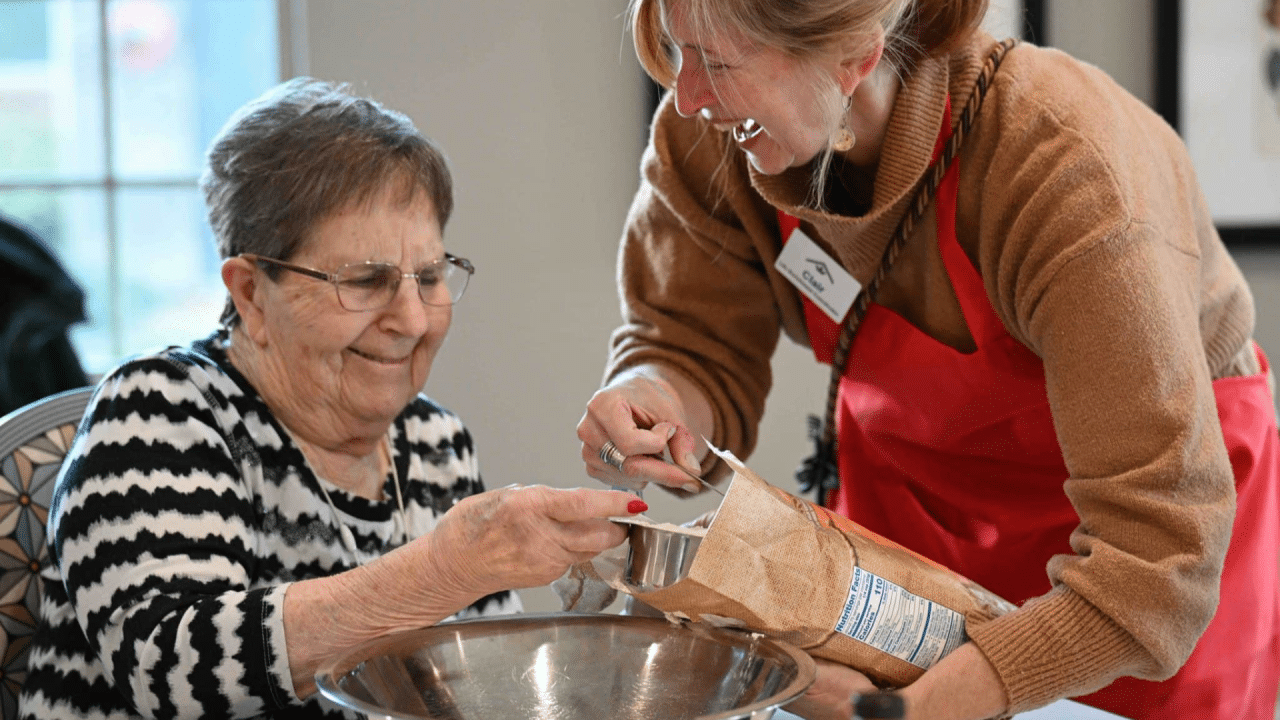
Our caregivers take the time to learn how each resident prefers to start the day, the routines that help them feel comfortable, the music that brings back happy memories, and the activities that make them smile. When caregivers know these personal details, care becomes more natural, meaningful, and individualized. Rather than expecting every resident to follow the same routine, we adapt our approach to fit the person.
Relationships Create Comfort and Confidence
One of the greatest advantages of a smaller senior living community is the opportunity to build lasting relationships. At Teresa’s House, residents see familiar caregivers every day, allowing trust to develop through consistent interactions.
Over time, caregivers naturally notice when someone seems quieter than usual, when they don’t seem themselves, or when something is up. At Teresa’s House, we are one of the only communities where there is a nurse onsite 24/7 for caregivers to call right away, so your loved one’s needs can be addressed promptly—saving unnecessary ER trips and, often, pain, suffering, and life-threatening emergencies. Care staff also remember favorite meals and hobbies, celebrate birthdays, and learn the routines that make each resident feel at ease. These relationships help create an environment where residents feel comfortable, confident, and genuinely known—not simply cared for.
The Little Things Make the Biggest Difference
When families think about senior care, they often focus on medical support or assistance with daily living. Those services are essential, but many of the moments that make residents feel most at home happen in everyday interactions.
Remembering exactly how someone likes their morning coffee, encouraging conversations about grandchildren, playing music from their younger years, sharing laughter over family-style meals, or simply knowing they enjoy spending time on the front porch may seem like small gestures. Together, however, they create familiarity, preserve identity, and help residents continue living life in ways that feel natural and meaningful.
A Meaningful Approach to Memory Care
Relationship-focused care becomes even more important for individuals living with Alzheimer’s disease or other forms of dementia. Familiar faces, consistent routines, and trusted relationships can help reduce anxiety while creating a greater sense of comfort and security.
As North Texas’ first Positive Approach to Care® (PAC)-certified provider, Teresa’s House follows Teepa Snow’s internationally recognized philosophy, which focuses on remaining abilities rather than limitations. Our caregivers learn how each resident communicates, what provides reassurance, and the approaches that help them feel successful, allowing care to be tailored to the individual rather than expecting the individual to adapt to the care.
Families Are Part of the Relationship
Relationship-focused care doesn’t stop with the resident—it extends to their family as well. Choosing assisted living or memory care is an emotional decision, and families deserve to feel informed, supported, and involved throughout their loved one’s journey.
At Teresa’s House, we believe strong communication builds trust. Our team takes time to answer questions, celebrate milestones, and develop meaningful relationships with family members, creating peace of mind that comes from knowing your loved one is surrounded by people who genuinely care. Teresa Whittington, co-founder of Teresa’s House, also personally leads educational support groups exclusively for our families, providing an additional opportunity for families to connect, learn, and receive support throughout their loved one’s journey.
Choosing a Community Where Relationships Come First
As you explore assisted living or memory care in the Argyle area or in and around McKinney, Texas, it’s important to look beyond beautiful buildings and lists of amenities. Ask how caregivers get to know residents, how families stay involved, and how daily routines are personalized for each individual.
At Teresa’s House, relationship-focused care is more than a philosophy—it’s how we approach every interaction. By taking the time to truly know each resident, we create an environment where people feel respected, valued, and at home.
When caregivers know your loved one’s story, celebrate what makes them unique, and build genuine relationships along the way, care becomes more than a service. It becomes a source of comfort, connection, and belonging.